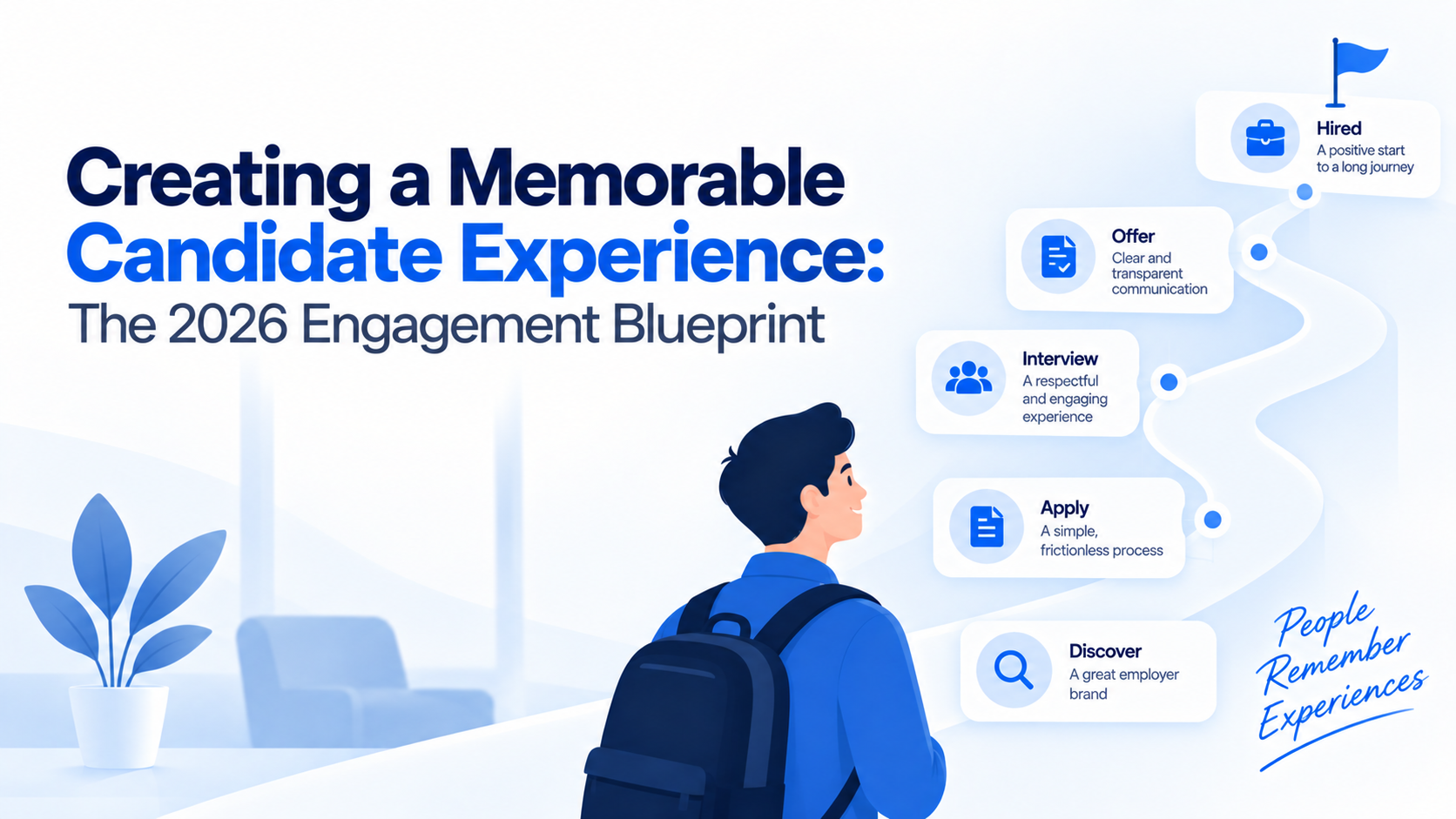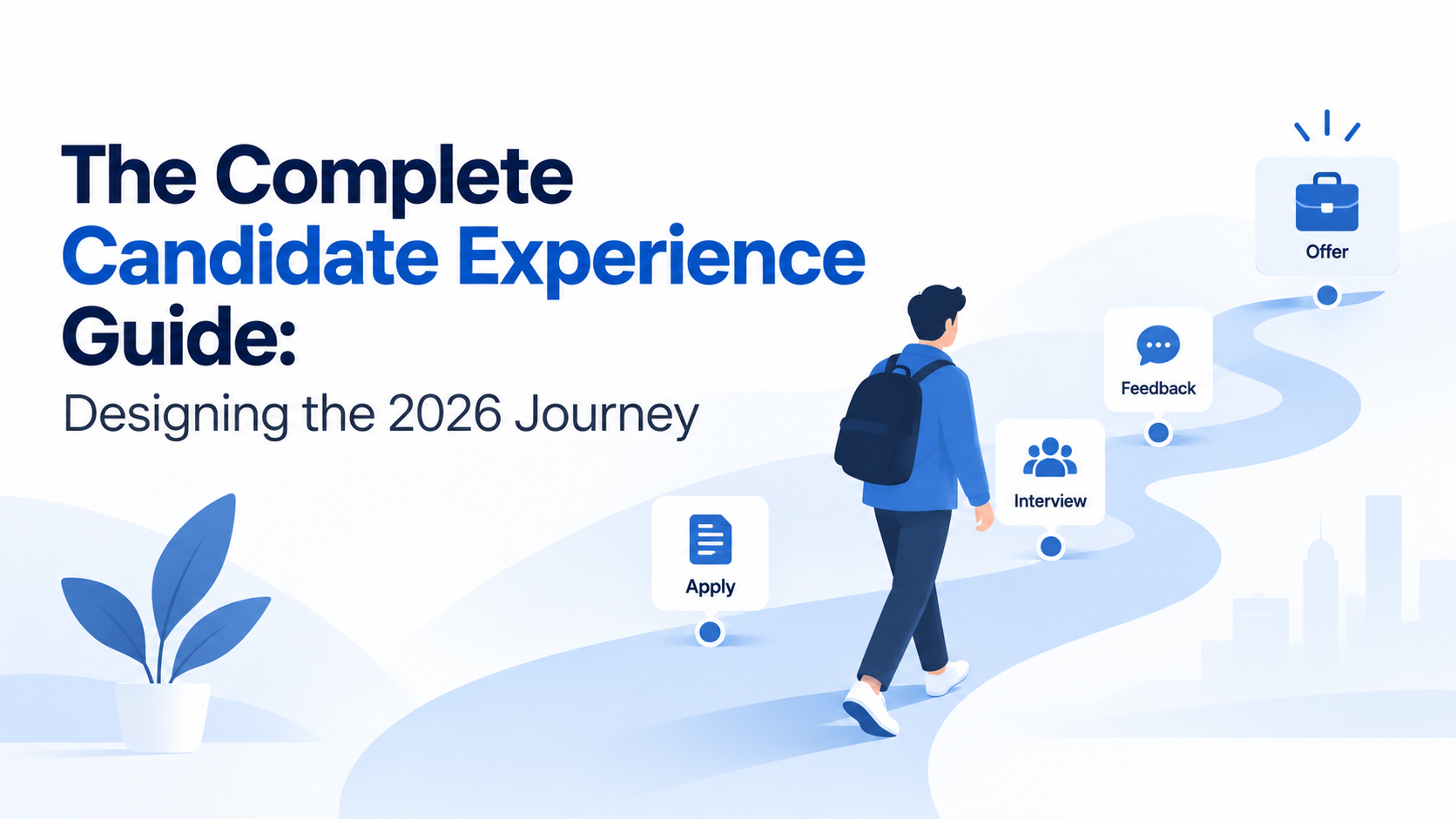
Julian, a Lead Systems Architect with a track record of scaling platforms to ten million users, found himself in a position of unprecedented leverage in early 2026. He had four competing offers on his desk, each offering a salary that exceeded his previous earnings by thirty percent. On paper, the choices were identical. The benefits were similar, the equity packages were competitive, and the titles were prestigious. However, Julian declined three of the offers within forty-eight hours. He didn't choose based on the compensation, the brand name, or even the specific project. He chose the one company that had treated his time with absolute precision. From the first outreach to the final offer, the company had provided a clear roadmap of the process, responded to every query within four hours, and conducted a "calibration call" before the first interview to ensure their expectations were perfectly aligned with his. To Julian, the efficiency of the hiring process was a window into the efficiency of the company's engineering culture. He concluded that if they were this disciplined about hiring, they were likely just as disciplined about building software.
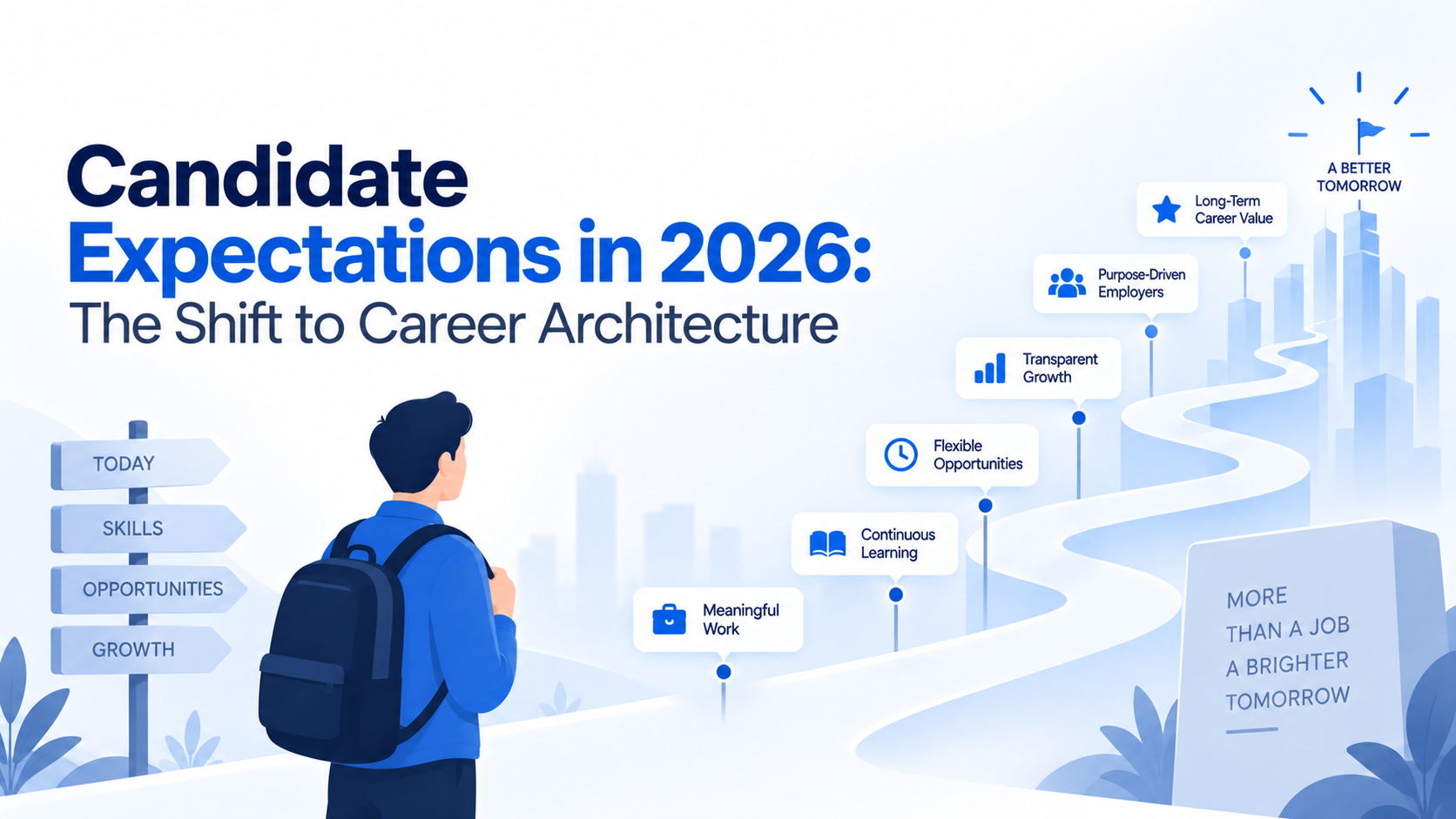
Julian's decision reflects a fundamental shift in the professional landscape of 2026. We have moved beyond the "Great Resignation" and the "Quiet Quitting" era into a period of Talent Sovereignty. In this new paradigm, high-impact candidates are no longer evaluating a job based on the traditional pillars of pay and prestige. Instead, they are evaluating the "Operational Maturity" of the organization. They are looking for "Career Architecture"—a structured environment where the systems, communication, and culture are designed to support their productivity and well-being, rather than hinder it. When a company fails to recognize this shift, they continue to compete on salary, only to wonder why their top candidates are still ghosting them or accepting offers from less "prestigious" competitors.
The candidate of 2026 is a sophisticated consumer of employment. They are not just applying for a job; they are auditing the company's operational health. They recognize that a chaotic hiring process is a leading indicator of a chaotic work environment. Consequently, the expectations have shifted from the "what" (the role and the pay) to the "how" (the process and the partnership). To win in this market, organizations must stop viewing recruitment as a series of administrative hurdles and start viewing it as the first deliverable of the employee experience.
The First Impression: From Cold Outreach to First Contact
The candidate experience does not begin with the first interview; it begins with the first touchpoint. In 2026, the "Cold Outreach" is the primary filter through which top talent judges a company's intellectual maturity. Most recruiters rely on "synthetic empathy"—AI-generated messages that include a candidate's name and current title but offer no real insight. High-impact professionals perceive this as noise. When a recruiter fails to acknowledge a candidate's specific achievements or ignores the nuances of their career trajectory, they are viewed as another automated bot in a sea of noise.
The first impression is what the candidate is using to determine if the recruiter is a professional peer or a transactional headhunter. This is where the "Sovereignty" of the candidate is most apparent. They are not looking for a pitch; they are looking for an observation. A recruiter who references a specific technical contradiction in a candidate's recent research or a specific design choice in a public portfolio is providing "Intellectual Value." The value is what the recruiter is using to break through the noise, and the breaking is what the candidate is using to justify a response.
However, the first impression is often ruined by a lack of data integrity. When outreach is based on outdated profiles or incorrect job titles, the interaction starts on a foundation of misalignment. This creates a subtle sense of distrust from the very first touchpoint. You can read more about why outdated candidate data ruins the recruiting process to see how this early friction sets the stage for later ghosting. In the future of recruiting, the accuracy of the la- lund of data is what produces the trust that the candidate is requiring to engage.
The Coordination Gap: Eliminating Scheduling Friction
Once a candidate agrees to move forward, the process enters the most fragile phase: coordination. For many TA teams, scheduling is viewed as a low-value administrative task. But for the candidate, the "scheduling ping-pong" is a visceral experience of the company's internal dysfunction. When a recruiter spends a week trying to align three calendars, the candidate is not just waiting for a date; they are experiencing the organization's inability to coordinate. The friction is what the candidate is experiencing, and that experiencing is what produces the disengagement.
The move from "Coordination" to "Orchestration" is the only way to solve this. Coordination is the manual act of aligning calendars through email chains. Orchestration is the structural design of a frictionless journey, typically utilizing asynchronous scheduling. By allowing the candidate to select their own time from pre-approved blocks, the company removes the "administrative tax" from the experience. The ease of the process is what the candidate is perceiving as a sign of professional respect, and the respect is what the candidate is using to build trust in the employer brand.
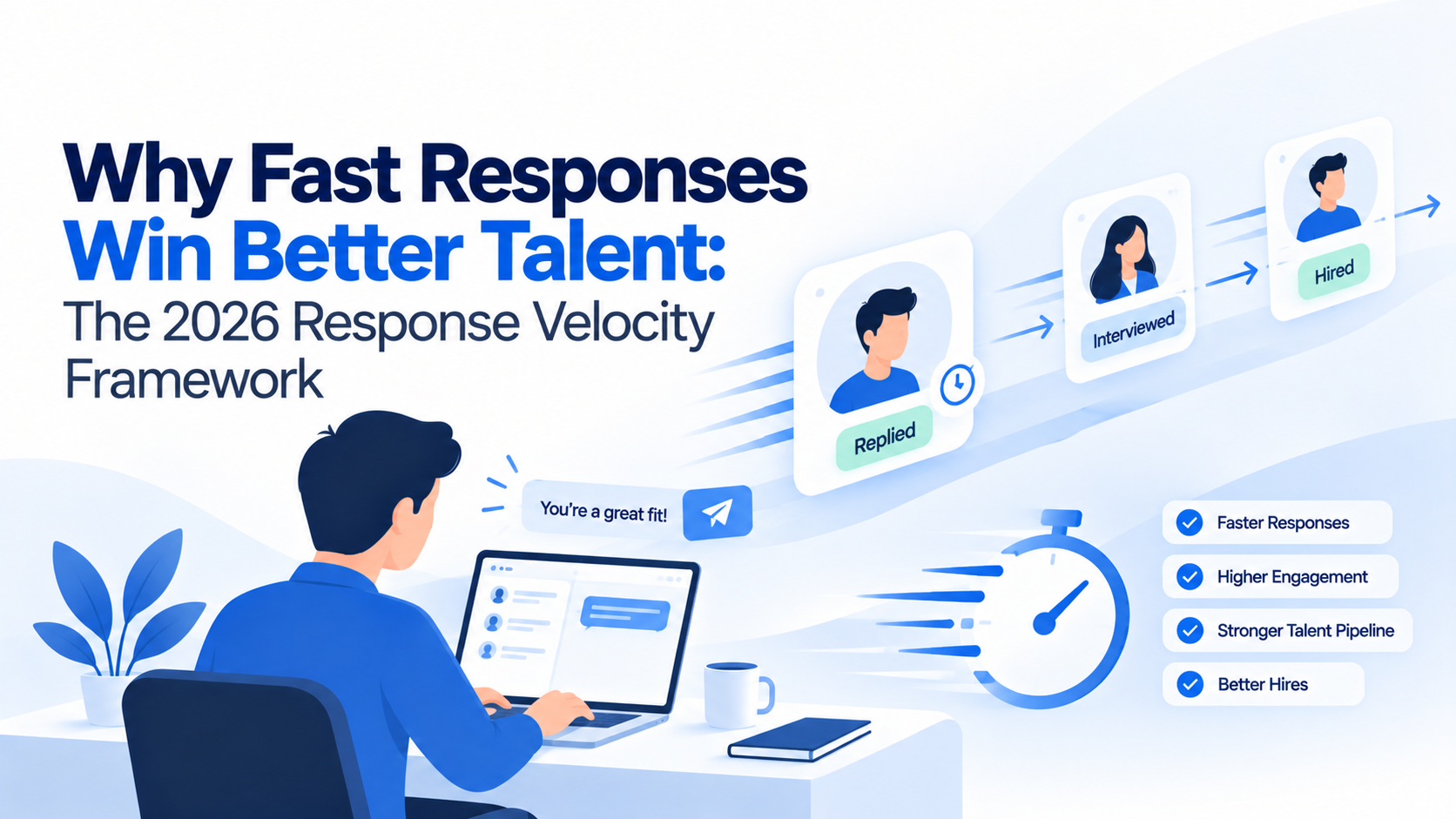
Scheduling friction also contributes to a loss of momentum. In a high-velocity market, a three-day delay in booking an interview is a window for a competitor to move in. The response velocity is what the company is using to capture the candidate's interest, and the velocity is what the team is using to prevent the "dropout" phase. For a comprehensive look at how to optimize this phase, explore the interview scheduling best practices that eliminate coordination gaps and preserve candidate momentum.
The Engagement Heartbeat: Solving the Silence Gap
The most pervasive killer of a positive candidate experience is the "candidate black hole"—the period of silence that follows an interview. For the recruiter, this silence is often a byproduct of internal coordination. But for the candidate, the silence is an active source of anxiety. They are left to wonder if they were rejected or if the company is simply indifferent. The silence is what the candidate is perceiving as a lack of respect, and the lack of respect is what the candidate is using to justify their disengagement.
To plug the black hole, organizations must implement a "Communication Heartbeat." This is a consistent, low-friction cadence of updates that ensures the candidate never enters the anxiety phase. The a-priori alignment is what the recruiter is using to maintain the candidate's momentum, and the momentum is what the team is using to prevent the candidate from entertaining other offers. This involves moving away from "batch" updates—waiting for a final decision—and toward "pulse updates," where the recruiter provides a transparent status update even when there is no major news.
A successful heartbeat transforms the recruiter from a "process manager" into a "career advocate." When a recruiter provides a "pulse" update, they are signaling that the candidate is still a priority. This relational bond is what produces the resilience that prevents candidates from ghosting. If you are struggling to find the right balance between persistence and annoyance, you should review the candidate follow-up templates that replace "checking in" with value-driven engagement.
The Evaluation Phase: Respect, Transparency, and Evidence
The interview phase is where the candidate's perception of "Operational Maturity" is truly tested. Many companies treat the interview as an "interrogation"—a series of rapid-fire questions designed to catch a candidate in a mistake. In 2026, high-impact talent views this as a lack of respect. They are not looking for a boss; they are looking for a partner. The interrogation is what the interviewer is using to mitigate risk, but the interrogation is what the candidate is perceiving as a lack of empathy.
The la- lund of a world-class experience is "Relational Interviewing." This means the interview is a mutual discovery process. The interviewer spends time discussing the challenges of the role, the vision of the team, and the specific ways the company can support the candidate's growth. The partnership is what the interviewer is using to build trust, and the trust is what the candidate is using to override a higher salary offer from a competitor.
Furthermore, the evaluation must be backed by "Decision-Grade Transparency." This means the candidate knows exactly what they are being evaluated on and receives calibrated feedback. The shift from unstructured "conversational" interviews to structured, evidence-based evaluations is critical. As discussed in the analysis of structured interviews vs traditional interviews, structured processes produce significantly better predictive validity and a fairer experience for the candidate. When the criteria are transparent, the candidate feels that the process is fair, and the fairness is what the candidate is using to accept the outcome, regardless of the decision.
The Final Mile: Closing with Alignment, Not Just Offers
The most expensive failure in the candidate experience is the declined offer. After weeks of investment, a "no" at the final stage is a devastating waste of resources. However, declines are rarely just about the money; they are the result of a slow leak of trust and alignment. Many organizations treat the "close" as a single event—the moment the offer letter is sent. But the close is not an event; it is a continuous process of alignment that must begin at the first touchpoint.
The "Relational Close" involves uncovering the candidate's "True North"—the non-monetary drivers that will make them say yes. Is it the autonomy to work asynchronously? Is it the ability to lead a specific project? The discovery of these drivers is what the recruiter is using to build the a-priori alignment, and the alignment is what the candidate is using to justify their commitment. When the offer is finally sent, it should be a formality—a confirmation of a prior agreement rather than a negotiation starting point.
To reduce offer-stage attrition, organizations must also eliminate the "Compensation Gap." This is achieved through compensation pre-alignment—agreeing on a target range before the first interview. The pre-alignment is what the team is using to eliminate the risk of "sticker shock" at the final stage, and the eliminating is what the team was trying to produce. For a detailed strategy on how to handle this critical phase, refer to the guide on how to reduce offer declines.
The Exit Experience: Turning Rejections into Brand Equity
The final touchpoint of the candidate experience is the rejection. Most companies treat the rejection email as a legal liability to be minimized, resulting in sterile, automated notifications. But in the era of extreme transparency, a bad rejection is a permanent stain on the employer brand. The sterile rejection is what the candidate is perceiving as a lack of empathy, and the lack of empathy is what the candidate is using to broadcast a negative review of the company.
A brand-protecting rejection follows a "Value-Add" framework. It provides specific, calibrated feedback, expresses genuine gratitude for the time invested, and leaves the door open for future alignment. This is especially critical for "silver medalists"—candidates who were a near-perfect fit but were beat out by one person. By treating these candidates as "Priority Assets" rather than "Failed Leads," the company builds a long-term talent community. The la- lund of the "Exit Experience" is what the company is using to preserve the relationship, and the relationship is what the candidate is using to recommend the company to their peers.
According to McKinsey's research on the return on talent, the most effective hiring engines are those that maintain a long-term relationship with their talent pools. When the "no" is handled with professional grace and evidence-based feedback, the company transforms a rejection into a brand-building activity.
The Infrastructure of Empathy: Scaling the Experience
The central challenge for TA leaders is that they want to provide a "VIP experience" for every candidate, but they are limited by a "manual infrastructure." They are trying to scale empathy using spreadsheets and manual emails, which is an impossible task. The manual chase is what the recruiter is using to manage the process, and the manual chase is what the response latency is what the team is absorbing. You cannot scale empathy on a manual system.
The solution is the transition to an "Agentic Recruiting Infrastructure." An agentic system does not just "automate" a message; it manages the logic of the experience. It ensures that the "communication heartbeat" is maintained automatically, that the scheduling is frictionless, and that no candidate ever enters the "black hole." The automation is what the system is using to eliminate the administrative friction, and the elimination is what the recruiter is using to focus on the human relationship.
This is the difference between a "Tool" and a "Hiring OS." A tool helps you do a manual task slightly faster; an OS removes the manual task entirely. Huntlo.ai was built to provide this structural fix. By treating the hiring process as an operating system, Huntlo.ai ensures that the la- lund of the experience is a mirror of the company's operational excellence. It removes the administrative tax and the silence gaps, allowing the recruiter to act as a true partner to the candidate.
In the 2026 talent market, the companies that win are not the ones with the most polished ads, but the ones with the most frictionless paths to employment. Stop treating the candidate experience as a checklist and start treating it as your primary product. When you solve the infrastructure, you solve the talent war.