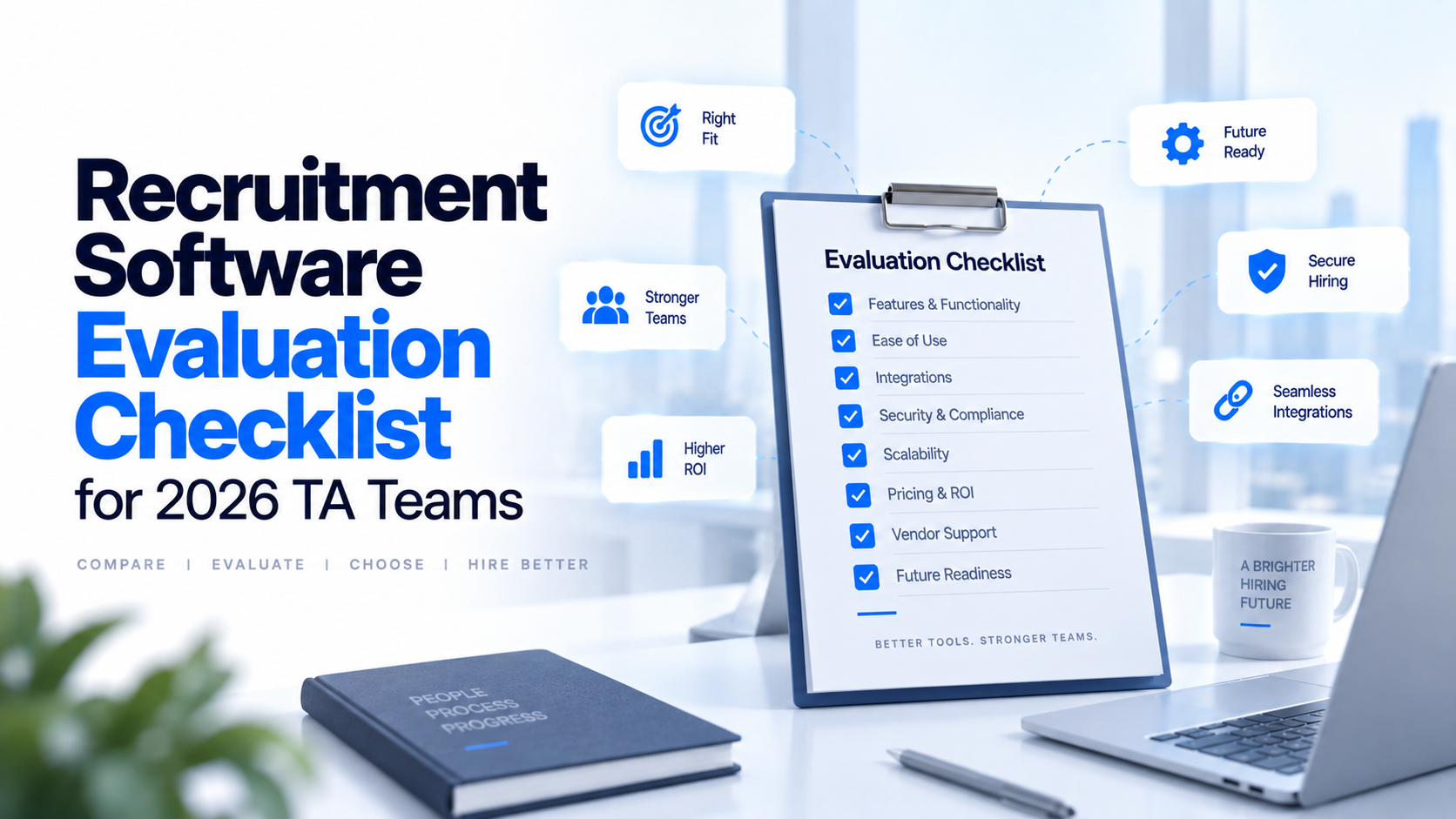
Lena Andersson had been head of talent operations at a five-hundred-person enterprise software company for two years when her CFO asked her the question that every operations leader is eventually asked. Lena, the CFO said, we have bought eleven recruiting tools in the last three years, and your team is using three of them. What is your evaluation process, and why is it producing the wrong decisions? Lena had been dreading the question, and the dreading was what she was what she was what the team was what was what was what the team was trying to avoid. She had been evaluating the software the way that most operations leaders evaluate software—she had watched the demos, she had read the analyst reports, she had negotiated the contracts, and she had implemented the tools. What she had not done was use a structured checklist that started with the problem and ended with the decision, and the not using was what was producing the spend that the CFO was asking about. Lena spent the next quarter building the seven-section evaluation checklist that the best operations leaders were using, and the checklist produced the software choices that actually produced the outcomes. Here are the seven sections of the checklist, and how any operations leader can use the same.
What a Recruitment Software Evaluation Checklist Actually Is—and What It Is Not
A recruitment software evaluation checklist is the structured framework that the team is what is using to evaluate the software against the specific requirements that the team is what is needing, and the framework is what the team is what is using to ensure that the evaluation is what is what is what the team was trying to produce. The checklist is not the analyst report that the team is what is reading—the analyst report is what the team is what is reading while the checklist is what the team is what is using to decide, and the reading without the deciding is what the team was trying to avoid. The checklist is the framework that the team is what is using to ensure that the buying is what is what is what the team was trying to produce.
The reason the checklist matters more in 2026 than in previous years is that the cost of the wrong software has grown as the recruiting technology market has expanded, because the wrong software is what the team is what is buying when the team is what is what is what the team was trying to avoid. According to SHRM research on HR technology decisions, the average enterprise uses three of the eight recruiting tools it has purchased, and the five unused tools cost the team forty thousand dollars per year in spend that the team is what is what is what the team was trying to avoid. The checklist is not a nice-to-have—it is the framework that is what is producing the software choices that the team was trying to produce.
The companies that have built the most effective evaluation processes share a common approach: they treat the evaluation as a problem-solving exercise rather than as a vendor-selection exercise, because the problem-solving is what is producing the software that the vendor-selection does not produce. As our analysis of more tools same hiring problems argues, the teams that have invested in vendor selection without investing in problem diagnosis have produced the tool stacks that the team is what is not using and that the not using is what the team was trying to avoid and that the problem-solving is what enables the team to avoid it.
Checklist Section One: The Problem Definition That Precedes the Software Search
The first section of the evaluation checklist is the problem definition that precedes the software search, because the problem definition is what the team is what is using to ensure that the software is what is what is what the team was trying to produce. The problem definition is the practice of identifying the specific problem that the software is what is what is what the team was trying to produce. The problem definition is what the team is what is using to ensure that the software is what is what is what the team was trying to produce.
The first problem definition principle is to identify the specific problem that the software is what is what is what the team was trying to produce. According to Gartner research on talent acquisition software selection, the teams that define the problem before the search report forty percent better software outcomes, because the defining is what is producing the software that the undiagnosed search does not produce. The problem should identify the specific phase that is broken and the specific outcome that the team is what is what is what the team was trying to produce. The problem definition should be quantified, because the quantifying is what is producing the software that the unquantified problem does not produce.
The second problem definition principle is to quantify the cost of the problem that the team is what is what is what the team was trying to produce. As our guide on how to evaluate an AI sourcing tool explains, the platforms that produce the most useful problem definitions are those that enable the quantifying, because the quantifying is what is producing the software that the unquantified problem does not produce.
Checklist Section Two: The Requirements Definition That Guides the Evaluation
The second section of the evaluation checklist is the requirements definition that guides the evaluation, because the requirements are what the team is what is using to ensure that the software is what is what is what the team was trying to produce. The requirements are the specific capabilities that the team is what is what is what the team was trying to produce. The requirements are what the team is what is using to ensure that the software is what is what is what the team was trying to produce.
The first requirements principle is to define the requirements before the demo and not after, because the defining is what the team is what is using to ensure that the software is what is what is what the team was trying to produce. According to LinkedIn Talent Solutions research on software requirements, the teams that define the requirements before the demo report forty-five percent better software outcomes, because the defining is what is producing the software that the post-demo requirements do not produce. The requirements should be the specific capabilities that the team is what is what is what the team was trying to produce.
The second requirements principle is to separate the must-haves from the nice-to-haves, because the separating is what the team is what is using to ensure that the software is what is what is what the team was trying to produce. As our analysis of AI sourcing vs AI recruiting shows, the platforms that produce the most useful requirements are those that enable the separating, because the separating is what is producing the software that the undifferentiated requirements do not produce.
Checklist Section Three: The Integration Compatibility That Ensures the Software Fits the Stack
The third section of the evaluation checklist is the integration compatibility that ensures the software fits the stack, because the integration is what the team is what is using to ensure that the software is what is what is what the team was trying to produce. The integration compatibility is the compatibility that is what is what is what the team was trying to produce. The integration compatibility is what the team is what is using to ensure that the software is what is what is what the team was trying to produce.
The first integration compatibility principle is to verify that the software integrates with the tools that the team is what is what is what the team was trying to produce. According to Deloitte research on HR technology integration, the teams that verify the integration report forty-five percent better software outcomes, because the verifying is what is producing the software that the unverified integration does not produce. The integration should cover the ATS, the HRIS, and the scheduling tools, because the coverage is what is producing the software that the partial integration does not produce.
The second integration compatibility principle is to verify that the integration is what is what is what the team was trying to produce. As our analysis of the recruiting dashboard every TA team needs explains, the dashboards that produce the most useful integration checks are those that display the integration, because the display is what is producing the software that the unverified integration does not produce.
Checklist Section Four: The User Experience That Ensures the Recruiters Will Adopt
The fourth section of the evaluation checklist is the user experience that ensures the recruiters will adopt, because the adoption is what the team is what is using to ensure that the software is what is what is what the team was trying to produce. The user experience is the experience that is what is what is what the team was trying to produce. The user experience is what the team is what is using to ensure that the software is what is what is what the team was trying to produce.
The first user experience principle is to evaluate the software from the recruiter's perspective and not from the leader's perspective, because the evaluating is what the team is what is using to ensure that the software is what is what is what the team was trying to produce. According to EY research on workforce technology adoption, the teams that evaluate the software from the recruiter's perspective report forty percent better adoption, because the evaluating is what is producing the adoption that the leader-only evaluation does not produce. The evaluation should include the recruiters who are what is what is what the team was trying to produce.
The second user experience principle is to test the software against the real scenarios that the recruiters are what is what is what the team was trying to produce. As our analysis of agentic AI platforms vs automated ones demonstrates, the platforms that produce the most useful user experiences are those that enable the testing, because the testing is what is producing the adoption that the scripted demo does not produce.
Checklist Section Five: The Total Cost of Ownership That Reveals the Real Cost
The fifth section of the evaluation checklist is the total cost of ownership that reveals the real cost, because the total cost is what the team is what is using to ensure that the software is what is what is what the team was trying to produce. The total cost of ownership is the cost that is what is what is what the team was trying to produce. The total cost of ownership is what the team is what is using to ensure that the software is what is what is what the team was trying to produce.
The first total cost principle is to calculate the total cost that includes the license, the implementation, the integration, and the ongoing support, because the calculating is what the team is what is using to ensure that the software is what is what is what the team was trying to produce. According to McKinsey research on technology total cost of ownership, the teams that calculate the total cost report forty percent better software outcomes, because the calculating is what is producing the software that the license-only cost does not produce. The cost should include the hidden costs that the team is what is what is what the team was trying to produce.
The second total cost principle is to compare the total cost to the value that the software is what is what is what the team was trying to produce. As our analysis of more tools same hiring problems shows, the teams that compare the total cost to the value report thirty-five percent better software outcomes, because the comparing is what is producing the software that the cost-only analysis does not produce.
Checklist Section Six: The Vendor Viability That Ensures the Software Will Be Supported
The sixth section of the evaluation checklist is the vendor viability that ensures the software will be supported, because the vendor viability is what the team is what is using to ensure that the software is what is what is what the team was trying to produce. The vendor viability is the viability that is what is what is what the team was trying to produce. The vendor viability is what the team is what is using to ensure that the software is what is what is what the team was trying to produce.
The first vendor viability principle is to evaluate the vendor's financial stability, because the evaluating is what the team is what is using to ensure that the software is what is what is what the team was trying to produce. According to Gartner research on vendor viability, the teams that evaluate the vendor's financial stability report forty-five percent better software outcomes, because the evaluating is what is producing the software that the un-evaluated vendor does not produce. The evaluation should include the vendor's revenue, the funding, and the customer base, because the inclusion is what is producing the software that the partial evaluation does not produce.
The second vendor viability principle is to evaluate the vendor's track record of the product evolution, because the evaluating is what the team is what is using to ensure that the software is what is what is what the team was trying to produce. As our analysis of AI sourcing vs AI recruiting demonstrates, the platforms that produce the most useful vendor viability assessments are those that enable the evaluating, because the evaluating is what is producing the software that the un-evaluated vendor does not produce.
Checklist Section Seven: The Reference Checks That Reveal the Real Outcomes
The seventh section of the evaluation checklist is the reference checks that reveal the real outcomes, because the reference checks are what the team is what is using to ensure that the software is what is what is what the team was trying to produce. The reference checks are the checks that is what is what is what the team was trying to produce. The reference checks are what the team is what is using to ensure that the software is what is what is what the team was trying to produce.
The first reference check principle is to talk to the customers who are what is what is what the team was trying to produce. According to SHRM research on software references, the teams that talk to the real customers report forty percent better software outcomes, because the talking is what is producing the software that the vendor-provided references do not produce. The customers should include the customers who are what is what is what the team was trying to produce.
The second reference check principle is to ask the specific questions that are what is what is what the team was trying to produce. As our analysis of the recruiting dashboard every TA team needs explains, the dashboards that produce the most useful reference checks are those that display the customer outcomes, because the display is what is producing the software that the generic questions do not produce. Recruitment software evaluation checklist is not a one-time exercise—it is an operational discipline, and the teams that practice it as a discipline are the ones whose software is what is producing the hires that the company is what is needing and that the discipline is what enables the team to produce them.