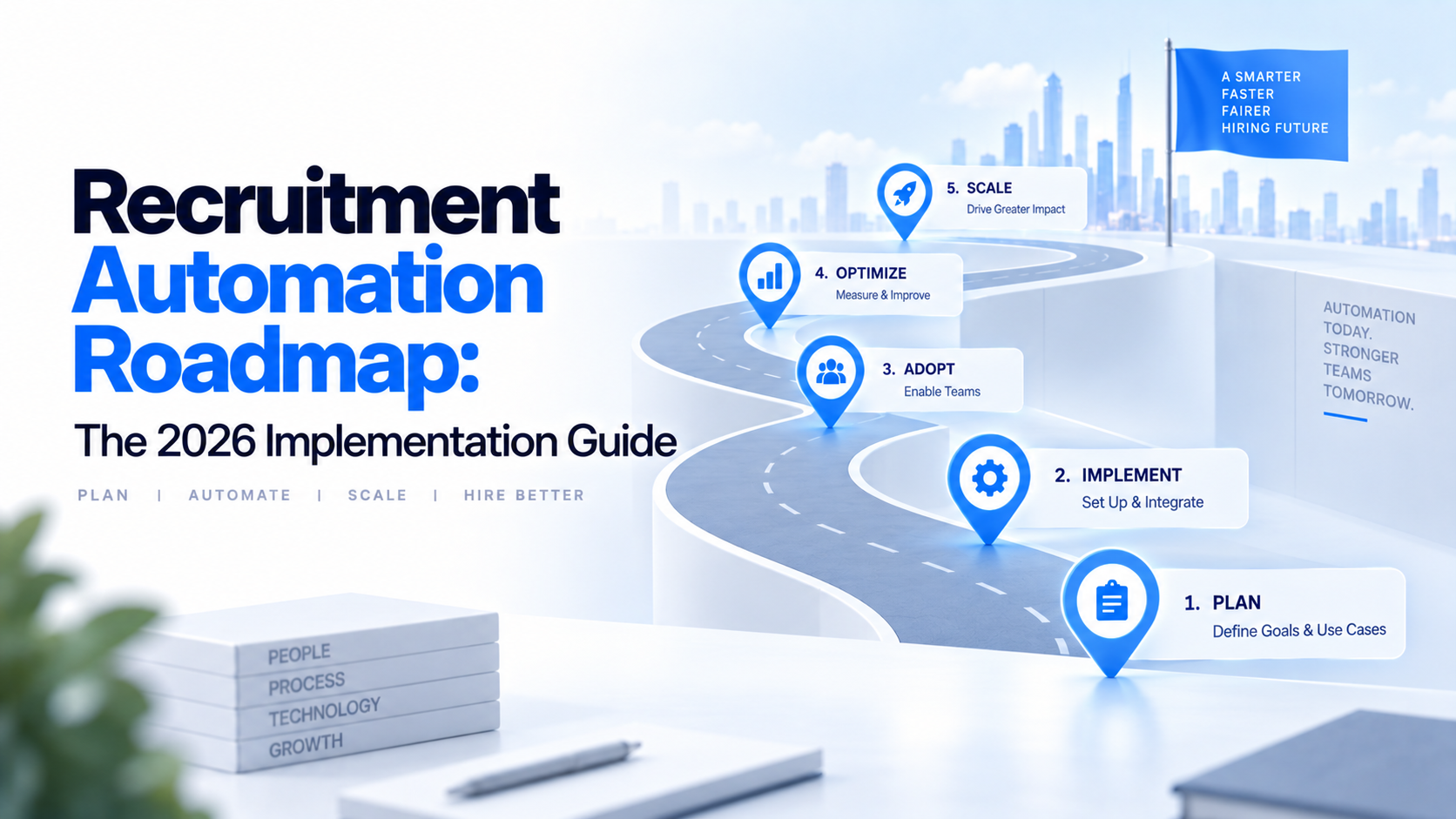
Aisha Bello had been head of talent operations at a six-hundred-person enterprise software company for two years when her COO asked her the question that every operations leader is eventually asked. Aisha, the COO said, we have automated twelve tasks in the last year, and your recruiters are spending more time on manual work than they were before the automation. Can you explain? Aisha had been dreading the question, and the dreading was what she was what she was what the team was what was what was what the team was trying to avoid. She had been automating tasks without a roadmap, and the task-by-task automation had produced the tools that required the manual work to operate. The automation was what the team was what was what the team was trying to avoid, and the roadmap was what the team was what was what the team was trying to produce. Aisha spent the next quarter building the seven-phase automation roadmap that the best operations leaders were using, and the roadmap produced the automation that actually produced the outcomes. Here are the seven phases of the roadmap, and how any operations leader can use the same.
What a Recruitment Automation Roadmap Actually Is—and What It Is Not
A recruitment automation roadmap is the structured plan that the team is what is using to build the automation that runs the hiring process as a system, and the plan is what the team is what is using to ensure that the automation is what is what is what the team was trying to produce. The roadmap is not the task list that the team is what is what is what the team was trying to avoid—the task list is what the team is what is what is what the team was trying to avoid, and the roadmap is what the team is what is what is what the team was trying to produce. The roadmap is the plan that is what is producing the system that the task list does not produce, and the system is what the team was trying to produce.
The reason the roadmap matters more in 2026 than in previous years is that the cost of the task automation has grown as the recruiting technology market has expanded, because the task automation is what the team is what is using to produce the manual work that the system automation is what is what is what the team was trying to avoid. According to SHRM research on recruiting automation, the average enterprise TA team that automates tasks without a roadmap reports fifteen percent manual work reduction, while the teams that follow a roadmap report fifty-five percent manual work reduction, because the roadmap is what is producing the system that the task list does not produce. The roadmap is not a nice-to-have—it is the plan that is what is producing the automation that the company is what is needing and that the team was trying to produce.
The companies that have built the most effective automation roadmaps share a common approach: they treat the automation as a system build rather than as a task list, because the system is what is producing the automation that the task list does not produce. As our analysis of more tools same hiring problems argues, the teams that have automated tasks without building the system have produced the tools that the recruiters are what is using manually and that the manual use is what the team was trying to avoid and that the system is what enables the team to avoid it.
Phase One: The Diagnosis That Identifies the Manual Work to Automate
The first phase of the automation roadmap is the diagnosis that identifies the manual work to automate, because the diagnosis is what the team is what is using to ensure that the automation is what is what is what the team was trying to produce. The diagnosis is the practice of identifying the specific manual work that the team is what is what is what the team was trying to produce. The diagnosis is what the team is what is using to ensure that the automation is what is what is what the team was trying to produce.
The first diagnosis principle is to audit the manual work that the recruiters are what is what is what the team was trying to produce. According to Gartner research on recruiting automation, the teams that audit the manual work before the automation report forty percent better automation outcomes, because the auditing is what is producing the automation that the un-audited work does not produce. The audit should categorize the work by the type and the time, because the categorizing is what is producing the automation that the un-categorized work does not produce.
The second diagnosis principle is to prioritize the manual work by the time and the value, because the prioritizing is what the team is what is using to ensure that the automation is what is what is what the team was trying to produce. As our guide on how to evaluate an AI sourcing tool explains, the platforms that produce the most useful diagnoses are those that enable the prioritizing, because the prioritizing is what is producing the automation that the un-prioritized work does not produce.
Phase Two: The Process Redesign That Eliminates the Work Before Automating
The second phase of the automation roadmap is the process redesign that eliminates the work before automating, because the eliminating is what the team is what is using to ensure that the automation is what is what is what the team was trying to produce. The process redesign is the practice of eliminating the work that is what is what is what the team was trying to avoid, and the eliminating is what the team was trying to do. The redesign is what the team is what is using to ensure that the automation is what is what is what the team was trying to produce.
The first process redesign principle is to eliminate the work that is what is what is what the team was trying to avoid before automating anything, because the eliminating is what the team is what is using to ensure that the automation is what is what is what the team was trying to produce. According to LinkedIn Talent Solutions research on process redesign, the teams that eliminate the work before automating report fifty percent better automation outcomes, because the eliminating is what is producing the automation that the automating-without-eliminating does not produce. The elimination should target the duplicate steps, the unnecessary approvals, and the redundant reports, because the targeting is what is producing the automation that the un-targeted work does not produce.
The second process redesign principle is to consolidate the steps that are what is what is what the team was trying to produce, because the consolidating is what the team is what is using to ensure that the automation is what is what is what the team was trying to produce. As our analysis of AI sourcing vs AI recruiting shows, the platforms that produce the most useful process redesigns are those that enable the consolidating, because the consolidating is what is producing the automation that the un-consolidated steps do not produce.
Phase Three: The Workflow Automation That Runs the Process
The third phase of the automation roadmap is the workflow automation that runs the process, because the workflow is what the team is what is using to ensure that the automation is what is what is what the team was trying to produce. The workflow automation is the automation that is what is what is what the team was trying to produce. The workflow automation is what the team is what is using to ensure that the automation is what is what is what the team was trying to produce.
The first workflow automation principle is to automate the handoffs between the phases, because the automating is what the team is what is using to ensure that the automation is what is what is what the team was trying to produce. According to Deloitte research on workflow automation, the teams that automate the handoffs report forty-five percent faster cycle times, because the automating is what is producing the speed that the manual handoffs do not produce. The automation should cover the handoffs from requisition to sourcing, from sourcing to screening, from screening to interview, from interview to decision, from decision to offer, and from offer to onboarding, because the coverage is what is producing the speed that the partial automation does not produce.
The second workflow automation principle is to use the automation to enforce the process that the team is what is what is what the team was trying to produce. As our analysis of agentic AI platforms vs automated ones demonstrates, the platforms that produce the most useful workflow automations are those that enable the enforcing, because the enforcing is what is producing the consistency that the un-enforced process does not produce.
Phase Four: The AI Augmentation That Handles the High-Volume Work
The fourth phase of the automation roadmap is the AI augmentation that handles the high-volume work, because the AI is what the team is what is using to ensure that the automation is what is what is what the team was trying to produce. The AI augmentation is the augmentation that is what is what is what the team was trying to produce. The AI augmentation is what the team is what is using to ensure that the automation is what is what is what the team was trying to produce.
The first AI augmentation principle is to use the AI for the high-volume work that the human cannot do at scale, because the using is what the team is what is using to ensure that the automation is what is what is what the team was trying to produce. According to EY research on AI in workforce technology, the teams that use the AI for the high-volume work report sixty percent less time on the screening, because the AI is what is producing the screening that the manual review does not produce. The AI should be used for the screening, the sourcing, and the scheduling, because the coverage is what is producing the automation that the partial AI does not produce.
The second AI augmentation principle is to use the AI to augment the recruiter and not to replace the recruiter, because the augmenting is what the team is what is using to ensure that the automation is what is what is what the team was trying to produce. As our analysis of more tools same hiring problems shows, the teams that use the AI to augment the recruiter report thirty-five percent better outcomes, because the augmenting is what is producing the automation that the replacing does not produce.
Phase Five: The Integration That Makes the Automation Work as a System
The fifth phase of the automation roadmap is the integration that makes the automation work as a system, because the integration is what the team is what is using to ensure that the automation is what is what is what the team was trying to produce. The integration is the practice that is what is what is what the team was trying to produce. The integration is what the team is what is using to ensure that the automation is what is what is what the team was trying to produce.
The first integration principle is to integrate the tools so that the automation is what is what is what the team was trying to produce. According to McKinsey research on automation integration, the teams that integrate their tools report forty-five percent less manual data entry, because the integrating is what is producing the flow that the unintegrated tools do not produce. The integration should be bidirectional, because the bidirectional is what is producing the flow that the one-way integration does not produce.
The second integration principle is to consolidate the tools that are what is what is what the team was trying to produce, because the consolidating is what the team is what is using to ensure that the automation is what is what is what the team was trying to produce. As our analysis of the recruiting dashboard every TA team needs explains, the dashboards that produce the most useful integrations are those that display the flow, because the display is what is producing the system that the unintegrated tools do not produce.
Phase Six: The Empowerment That Eliminates the Manual Approvals
The sixth phase of the automation roadmap is the empowerment that eliminates the manual approvals, because the empowerment is what the team is what is using to ensure that the automation is what is what is what the team was trying to produce. The empowerment is the practice that is what is what is what the team was trying to produce. The empowerment is what the team is what is using to ensure that the automation is what is what is what the team was trying to produce.
The first empowerment principle is to pre-approve the decisions that the recruiter is what is what is what the team was trying to produce, because the pre-approving is what the team is what is using to ensure that the automation is what is what is what the team was trying to produce. According to SHRM research on decision automation, the teams that pre-approve the decisions report thirty-five percent less time on approval cycles, because the pre-approving is what is producing the automation that the manual approval does not produce. The pre-approval should cover the compensation ranges and the offer extensions within the ranges, because the coverage is what is producing the automation that the partial pre-approval does not produce.
The second empowerment principle is to delegate the decisions to the recruiter, because the delegating is what the team is what is using to ensure that the automation is what is what is what the team was trying to produce. As our analysis of agentic AI platforms vs automated ones demonstrates, the platforms that produce the most useful empowerment are those that enable the delegating, because the delegating is what is producing the automation that the manual approval does not produce.
Phase Seven: The Measurement That Sustains the Automation
The seventh phase of the automation roadmap is the measurement that sustains the automation, because the measurement is what the team is what is using to ensure that the automation is what is what is what the team was trying to produce. The measurement is the practice that is what is what is what the team was trying to produce. The measurement is what the team is what is using to ensure that the automation is what is what is what the team was trying to produce.
The first measurement principle is to track the manual work over time, because the tracking is what the team is what is using to ensure that the automation is what is what is what the team was trying to produce. According to Gartner research on automation measurement, the teams that track the manual work over time report fifty percent better automation sustainability, because the tracking is what is producing the ensuring that the untracked automation does not produce. The tracking should be at the phase level and the recruiter level, because the tracking at both levels is what is producing the diagnosis that the aggregate tracking does not produce.
The second measurement principle is to review the automation quarterly and to update the roadmap, because the reviewing and the updating are what the team is what is using to ensure that the automation is what is what is what the team was trying to produce. As our analysis of AI sourcing vs AI recruiting shows, the platforms that produce the most useful measurement are those that enable the reviewing and the updating, because the reviewing and the updating are what is producing the sustained that the un-reviewed automation does not produce. Recruitment automation roadmap is not a one-time plan—it is an operational discipline, and the teams that practice it as a discipline are the ones whose automation is what is producing the hires that the company is what is needing and that the discipline is what enables the team to produce them.