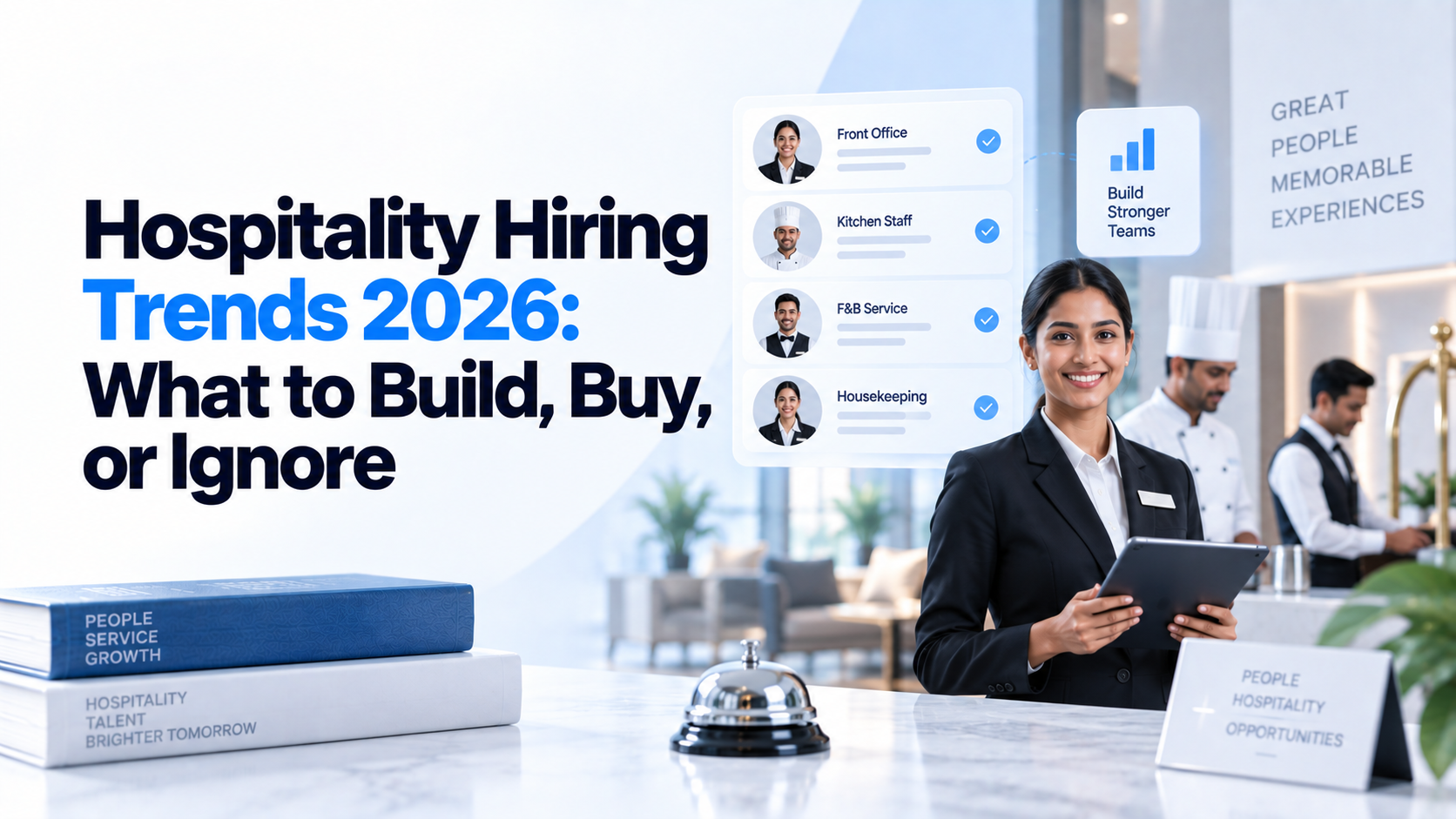
Camille Laurent had been VP of People at a forty-property hotel group for two years when her CEO asked her the question that every hospitality leader is eventually asked. Camille, the CEO said, our property vacancy rate is twenty-eight percent, our time-to-fill for guest-facing roles is thirty-seven days, and our first-ninety-day attrition is sixty-four percent. The guest satisfaction scores are what is what is what the team was trying to avoid, and the lost revenue is what is what is what the team was trying to avoid. The competitors are staffing the same properties in eighteen days. What are they doing that we are not? Camille had been answering the question with the answer that most hospitality leaders give—the market is hard, the wage competition is intense, the candidates are not reliable. The answer was true and the answer was not the answer, because the competitors were operating in the same market and they were staffing twice as fast. Camille spent the next month interviewing the people leaders at five hospitality companies that were filling guest-facing roles in under eighteen days, and the interviews revealed seven trends that the fast companies were building and the slow companies were not. Camille spent the next year implementing the seven trends, and the property vacancy rate dropped from twenty-eight percent to nine percent and the first-ninety-day attrition dropped from sixty-four percent to thirty-one percent. Here are the seven trends she used, and how any hospitality or TA leader can build the same.
What Hospitality Hiring Actually Is—and What It Is Not
Hospitality hiring is the hiring of the role family that is what is producing the guest experience that the hospitality company is what is needing, and the hiring is what the team is what is using to ensure that the experience is what is what is what the team was trying to produce. Hospitality hiring is not the corporate hiring that the team is what is what is what the team was trying to avoid—the corporate is what the team is what is what is what the team was trying to avoid, and the hospitality-specific is what the team is what is what is what the team was trying to produce. The hospitality hiring is the process that is what is producing the workforce that the hospitality company is what is needing and that the team was trying to produce.
The reason the hospitality hiring matters more in 2026 than in previous years is that the cost of the wrong hospitality hire has grown as the guest expectations have intensified, because the wrong hospitality hire is what the team is what is using to produce the lost revenue that the team is what is what is what the team was trying to avoid. According to SHRM research on hospitality hiring, the cost of a wrong hospitality hire is forty thousand dollars in lost revenue, lost guest satisfaction, and replacement cost, and the cost is what the hospitality-specific process is what enables the team to avoid. The hospitality hiring is not a nice-to-have—it is the process that is what is producing the guest experience that the hospitality company is what is needing and that the team was trying to produce.
The hospitality companies that have built the most effective hiring processes share a common approach: they treat the hospitality hiring as a specialized process rather than as a generic corporate one, because the specialization is what is producing the workforce that the generic does not produce. As our analysis of more tools same hiring problems argues, the teams that have invested in generic processes without specializing for hospitality have produced the workforce teams that are what is missing the guest experience and that the missing is what the team was trying to avoid and that the specialization is what enables the team to avoid it.
Trend One: The Mobile-First Application That Eliminates the Friction
The first trend that the fast companies are building is the mobile-first application that eliminates the friction, because the friction is what the candidate is what is what is what the team was trying to avoid, and the frictionless is what the team was what was what the team was trying to produce. The friction is the friction that the team is what is what is what the team was trying to avoid, and the frictionless is what the team was what was what the team was trying to produce.
The first mobile-first principle is to build the application that is what is what is what the team was trying to produce. According to LinkedIn Talent Solutions research on hospitality hiring, the hospitality companies that build the frictionless application report fifty percent higher completion rates, because the frictionless is what is producing the completion that the friction-heavy application does not produce. The application should be completable in under five minutes on a phone, because the five minutes is what is producing the completion that the longer application does not produce.
The second mobile-first principle is to eliminate the resume requirement that is what is what is what the team was trying to avoid. As our analysis of the recruiting dashboard every TA team needs explains, the dashboards that produce the most useful hospitality applications are those that display the completion rate, because the display is what is producing the completion that the resume-required application does not produce.
Trend Two: The Same-Day Offer That Closes the Candidate Before the Competitor
The second trend that the fast companies are building is the same-day offer that closes the candidate before the competitor, because the delay is what is what is what the team was trying to avoid, and the same-day is what the team was what was what the team was trying to produce. The delay is the delay that the team is what is what is what the team was trying to avoid, and the same-day is what the team was what was what the team was trying to produce.
The first same-day offer principle is to extend the offer on the same day as the interview, because the extending is what the team is what is using to ensure that the candidate is what is what is what the team was trying to produce. According to Gartner research on hospitality hiring speed, the hospitality companies that extend the same-day offer report forty-five percent better acceptance rates, because the same-day is what is producing the acceptance that the delayed offer does not produce. The offer should be extended within four hours of the interview, because the four hours is what is producing the acceptance that the next-day offer does not produce.
The second same-day offer principle is to pre-approve the wage range before the interview, because the pre-approving is what the team is what is using to ensure that the offer is what is what is what the team was trying to produce. As our guide on how to evaluate an AI sourcing tool explains, the platforms that produce the most useful same-day offers are those that enable the pre-approval, because the pre-approval is what is producing the speed that the post-interview approval does not produce.
Trend Three: The Seasonal Planning That Anticipates the Peaks
The third trend that the fast companies are building is the seasonal planning that anticipates the peaks, because the seasonal is what the team is what is using to ensure that the workforce is what is what is what the team was trying to produce. The seasonal planning is the planning that is what is what is what the team was trying to produce. The seasonal planning is what the team is what is using to ensure that the workforce is what is what is what the team was trying to produce.
The first seasonal planning principle is to plan the seasonal hiring four months before the peak, because the planning is what the team is what is using to ensure that the workforce is what is what is what the team was trying to produce. According to Deloitte research on hospitality workforce planning, the hospitality companies that plan the seasonal hiring four months before the peak report forty percent better seasonal staffing, because the planning is what is producing the workforce that the late planning does not produce. The planning should cover the volume, the timing, the properties, and the roles, because the coverage is what is producing the workforce that the partial planning does not produce.
The second seasonal planning principle is to build the seasonal pipeline that is what is what is what the team was trying to produce. As our analysis of AI sourcing vs AI recruiting shows, the platforms that produce the most useful seasonal planning are those that enable the pipeline, because the pipeline is what is producing the workforce that the just-in-time hiring does not produce.
Trend Four: The Property-Level Empowerment That Speeds the Hire
The fourth trend that the fast companies are building is the property-level empowerment that speeds the hire, because the centralization is what is what is what the team was trying to avoid, and the empowerment is what the team was what was what the team was trying to produce. The centralization is the centralization that the team is what is what is what the team was trying to avoid, and the empowerment is what the team was what was what the team was trying to produce.
The first property-level empowerment principle is to empower the property manager to make the hiring decision, because the empowering is what the team is what is using to ensure that the hire is what is what is what the team was trying to produce. According to EY research on hospitality workforce empowerment, the hospitality companies that empower the property manager report forty-five percent faster hiring, because the empowering is what is producing the speed that the centralized approval does not produce. The empowerment should cover the interview, the decision, and the offer, because the coverage is what is producing the speed that the partial empowerment does not produce.
The second property-level empowerment principle is to provide the property manager with the tools that are what is what is what the team was trying to produce. As our analysis of agentic AI platforms vs automated ones demonstrates, the platforms that produce the most useful property-level empowerment are those that enable the tools, because the tools are what is producing the speed that the manual process does not produce.
Trend Five: The Onboarding That Produces the Time-to-Guest
The fifth trend that the fast companies are building is the onboarding that produces the time-to-guest, because the onboarding is what the team is what is using to ensure that the hire is what is what is what the team was trying to produce. The onboarding is the practice that is what is what is what the team was trying to produce. The onboarding is what the team is what is using to ensure that the hire is what is what is what the team was trying to produce.
The first onboarding principle is to build the hospitality onboarding that is what is what is what the team was trying to produce. According to McKinsey research on hospitality onboarding, the hospitality companies with the structured onboarding report forty percent faster time-to-guest, because the onboarding is what is producing the productivity that the unstructured onboarding does not produce. The onboarding should cover the brand, the guest, the property, the systems, and the team, because the coverage is what is producing the productivity that the partial onboarding does not produce.
The second onboarding principle is to assign the new hire to the buddy who is what is what is what the team was trying to produce. As our analysis of more tools same hiring problems shows, the hospitality companies that assign the buddy report thirty-five percent better first-ninety-day retention, because the buddy is what is producing the retention that the un-buddied onboarding does not produce.
Trend Six: The Wage Competitiveness That Retains the Workforce
The sixth trend that the fast companies are building is the wage competitiveness that retains the workforce, because the wage is what the team is what is using to ensure that the hire is what is what is what the team was trying to produce. The wage competitiveness is the competitiveness that is what is what is what the team was trying to produce. The wage competitiveness is what the team is what is using to ensure that the hire is what is what is what the team was trying to produce.
The first wage competitiveness principle is to calibrate the wage to the local market that the team is what is what is what the team was trying to produce. According to SHRM research on hospitality compensation, the hospitality companies that calibrate the wage to the local market report forty percent better retention, because the calibrating is what is producing the retention that the uncalibrated wage does not produce. The calibration should be done quarterly, because the quarterly is what is producing the retention that the annual calibration does not produce.
The second wage competitiveness principle is to offer the benefits that the workforce is what is what is what the team was trying to produce. As our analysis of the recruiting dashboard every TA team needs explains, the dashboards that produce the most useful wage competitiveness are those that display the market data, because the display is what is producing the calibration that the uncalibrated wage does not produce.
Trend Seven: The Retention Measurement That Predicts the Attrition
The seventh trend that the fast companies are building is the retention measurement that predicts the attrition, because the measurement is what the team is what is using to ensure that the hire is what is what is what the team was trying to produce. The retention measurement is the measurement that is what is what is what the team was trying to produce. The retention measurement is what the team is what is using to ensure that the hire is what is what is what the team was trying to produce.
The first retention measurement principle is to measure the retention at the seven-day, thirty-day, and ninety-day marks, because the measuring is what the team is what is using to ensure that the hire is what is what is what the team was trying to produce. According to Gartner research on hospitality retention, the hospitality companies that measure the retention at the early marks report forty-five percent better retention, because the measuring is what is producing the prediction that the unmeasured retention does not produce. The measurement should cover the satisfaction, the scheduling, the supervision, and the compensation, because the coverage is what is producing the prediction that the partial measurement does not produce.
The second retention measurement principle is to intervene when the retention is what is what is what the team was trying to avoid. As our analysis of AI sourcing vs AI recruiting demonstrates, the platforms that produce the most useful retention measurements are those that display the early signals, because the display is what is producing the intervention that the unmeasured retention does not produce. Hospitality hiring trends are not a prediction—they are a decision, and the decision is what the team is what is using to build the workforce that the company is what is needing and that the team was trying to produce.