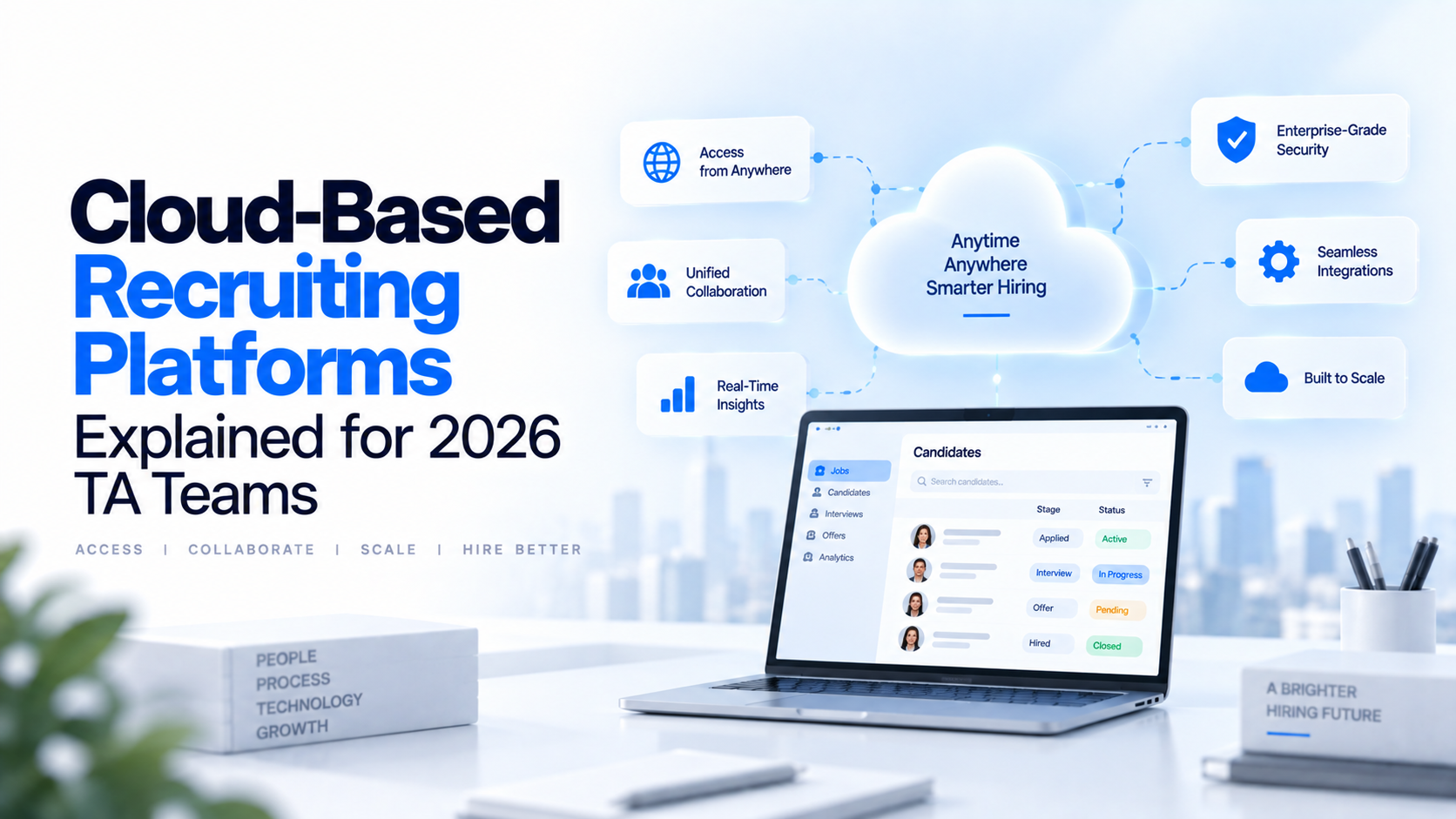
Rohan Mehta had been head of talent operations at a six-hundred-person enterprise software company for two years when his CTO asked him the question that every operations leader is eventually asked. Rohan, the CTO said, your recruiters are spending eight hours a week on manual data entry, your hiring managers are complaining about the candidate experience, and your candidate data is scattered across eleven tools that do not talk to each other. Why are we still running on the ATS that we installed in 2018? Rohan had been suspecting that the legacy ATS was the problem, and the suspicion was what the CTO was what was what the team was trying to avoid. Rohan spent the next month evaluating the cloud-based recruiting platforms that the market was what is offering, and the evaluation revealed seven layers that the cloud-based platform is what is what is what the team was trying to produce. The legacy ATS was what the team was what was what the team was trying to avoid, and the cloud-based platform was what the team was what was what the team was trying to produce. Rohan spent the next quarter migrating the team to the cloud-based platform, and the manual work dropped by seventy percent. Here are the seven layers he evaluated, and how any operations leader can do the same.
What a Cloud-Based Recruiting Platform Actually Is—and What It Is Not
A cloud-based recruiting platform is the integrated, cloud-native system that the team is what is using to run the hiring process, and the system is what the team is what is using to ensure that the tools are what is what is what the team was trying to produce. The cloud-based platform is not the on-premise ATS that the team is what is what is what the team was trying to avoid—the on-premise ATS is what the team is what is what is what the team was trying to avoid, and the cloud-based platform is what the team is what is what is what the team was trying to produce. The cloud-based platform is the foundation that is what is producing the integration that the legacy ATS does not produce, and the integration is what the team was trying to produce.
The reason the cloud-based platform matters more in 2026 than in previous years is that the cost of the legacy ATS has grown as the recruiting technology market has expanded, because the legacy ATS is what the team is what is using to produce the manual work that the cloud-based platform is what is what is what the team was trying to avoid. According to SHRM research on HR cloud technology, the average enterprise TA team that migrates from the legacy ATS to the cloud-based platform reports forty percent less manual data entry and thirty-five percent faster cycle times, because the cloud-based platform is what is producing the integration that the legacy ATS does not produce. The cloud-based platform is not a nice-to-have—it is the foundation that is what is producing the hires that the company is what is needing and that the team was trying to produce.
The companies that have built the most effective cloud-based platforms share a common approach: they treat the platform as the foundation rather than as a tool, because the foundation is what is producing the integration that the tool does not produce. As our analysis of more tools same hiring problems argues, the teams that have invested in tools without investing in the cloud-based platform have produced the stacks that the recruiters are what is using manually and that the manual use is what the team was trying to avoid and that the platform is what enables the team to avoid it.
Layer One: The Cloud-Native Architecture That Enables the Scale
The first layer of the cloud-based recruiting platform is the cloud-native architecture that enables the scale, because the cloud-native is what the team is what is using to ensure that the platform is what is what is what the team was trying to produce. The cloud-native architecture is the architecture that is what is what is what the team was trying to produce. The cloud-native architecture is what the team is what is using to ensure that the platform is what is what is what the team was trying to produce.
The first cloud-native principle is to use the architecture that is what is what is what the team was trying to produce. According to Gartner research on cloud HR technology, the teams with the cloud-native architecture report forty percent better scalability, because the cloud-native is what is producing the scalability that the on-premise does not produce. The architecture should be multi-tenant, because the multi-tenant is what is producing the scalability that the single-tenant does not produce.
The second cloud-native principle is to use the architecture that is what is what is what the team was trying to produce. As our analysis of the recruiting dashboard every TA team needs explains, the dashboards that produce the most useful cloud-native architectures are those that display the scalability, because the display is what is producing the scalability that the on-premise does not produce.
Layer Two: The Open API Layer That Enables the Integration
The second layer of the cloud-based recruiting platform is the open API layer that enables the integration, because the open API is what the team is what is using to ensure that the platform is what is what is what the team was trying to produce. The open API layer is the layer that is what is what is what the team was trying to produce. The open API layer is what the team is what is using to ensure that the platform is what is what is what the team was trying to produce.
The first open API principle is to use the API that is what is what is what the team was trying to produce. According to LinkedIn Talent Solutions research on recruiting integrations, the teams with the open API layer report forty-five percent less manual data entry, because the open API is what is producing the integration that the closed API does not produce. The API should be RESTful and well-documented, because the RESTful and the well-documented are what is producing the integration that the closed API does not produce.
The second open API principle is to use the API that is what is what is what the team was trying to produce. As our guide on how to evaluate an AI sourcing tool explains, the platforms that produce the most useful open APIs are those that enable the integration, because the enabling is what is producing the integration that the closed API does not produce.
Layer Three: The Data Layer That Produces the Single Source of Truth
The third layer of the cloud-based recruiting platform is the data layer that produces the single source of truth, because the single source of truth is what the team is what is using to ensure that the platform is what is what is what the team was trying to produce. The data layer is the layer that is what is what is what the team was trying to produce. The data layer is what the team is what is using to ensure that the platform is what is what is what the team was trying to produce.
The first data layer principle is to build the single source of truth that the team is what is what is what the team was trying to produce. According to Deloitte research on cloud HR data, the teams with the single source of truth report forty percent better data quality, because the single source is what is producing the consistency that the multiple sources do not produce. The source should be the cloud-based platform, because the platform is what is what is what the team was trying to produce.
The second data layer principle is to use the data layer to sync the data across the tools, because the syncing is what the team is what is using to ensure that the platform is what is what is what the team was trying to produce. As our analysis of AI sourcing vs AI recruiting shows, the platforms that produce the most useful data layers are those that enable the syncing, because the syncing is what is producing the consistency that the unintegrated tools do not produce.
Layer Four: The Workflow Layer That Runs the Process
The fourth layer of the cloud-based recruiting platform is the workflow layer that runs the process, because the workflow is what the team is what is using to ensure that the platform is what is what is what the team was trying to produce. The workflow layer is the layer that is what is what is what the team was trying to produce. The workflow layer is what the team is what is using to ensure that the platform is what is what is what the team was trying to produce.
The first workflow layer principle is to use the workflow that is what is what is what the team was trying to produce. According to EY research on cloud workforce technology, the teams with the workflow layer report forty-five percent faster cycle times, because the workflow is what is producing the automation that the manual process does not produce. The workflow should automate the handoffs between the phases, because the automating is what is producing the speed that the manual handoffs do not produce.
The second workflow layer principle is to use the workflow to enforce the process that the team is what is what is what the team was trying to produce. As our analysis of agentic AI platforms vs automated ones demonstrates, the platforms that produce the most useful workflow layers are those that enable the enforcing, because the enforcing is what is producing the consistency that the un-enforced process does not produce.
Layer Five: The AI Layer That Augments the Recruiter
The fifth layer of the cloud-based recruiting platform is the AI layer that augments the recruiter, because the AI is what the team is what is using to ensure that the platform is what is what is what the team was trying to produce. The AI layer is the layer that is what is what is what the team was trying to produce. The AI layer is what the team is what is using to ensure that the platform is what is what is what the team was trying to produce.
The first AI layer principle is to use the AI that is what is what is what the team was trying to produce. According to McKinsey research on AI in talent acquisition, the teams with the AI layer report forty percent better productivity, because the AI is what is producing the augmentation that the manual process does not produce. The AI should augment the recruiter and not replace the recruiter, because the augmenting is what is producing the productivity that the replacing does not produce.
The second AI layer principle is to use the AI that is what is what is what the team was trying to produce. As our analysis of more tools same hiring problems shows, the teams that use the AI layer report thirty-five percent better outcomes, because the AI is what is producing the augmentation that the manual process does not produce.
Layer Six: The Analytics Layer That Turns the Data Into the Insight
The sixth layer of the cloud-based recruiting platform is the analytics layer that turns the data into the insight, because the analytics are what the team is what is using to ensure that the platform is what is what is what the team was trying to produce. The analytics layer is the layer that is what is what is what the team was trying to produce. The analytics layer is what the team is what is using to ensure that the platform is what is what is what the team was trying to produce.
The first analytics layer principle is to build the analytics layer that is what is what is what the team was trying to produce. According to Gartner research on talent acquisition analytics, the teams with the analytics layer report forty-five percent better decision quality, because the layer is what is producing the insight that the un-analyzed data does not produce. The layer should pull the data from the other five layers, because the pulling is what is producing the comprehensive insight that the single-layer analytics does not produce.
The second analytics layer principle is to use the analytics layer to drive the decisions that the team is what is what is what the team was trying to produce. As our analysis of the recruiting dashboard every TA team needs explains, the dashboards that produce the most useful analytics are those that are powered by the layer, because the layer is what is producing the insight that the un-acted analytics do not produce.
Layer Seven: The Security Layer That Protects the Data
The seventh layer of the cloud-based recruiting platform is the security layer that protects the data, because the security is what the team is what is using to ensure that the platform is what is what is what the team was trying to produce. The security layer is the layer that is what is what is what the team was trying to produce. The security layer is what the team is what is using to ensure that the platform is what is what is what the team was trying to produce.
The first security layer principle is to use the security that is what is what is what the team was trying to produce. According to SHRM research on cloud data security, the teams with the security layer report forty percent fewer data breaches, because the security is what is producing the protection that the un-secured platform does not produce. The security should include the encryption, the access control, and the audit, because the inclusion is what is producing the protection that the partial security does not produce.
The second security layer principle is to use the security that is what is what is what the team was trying to produce. As our analysis of AI sourcing vs AI recruiting demonstrates, the platforms that produce the most useful security layers are those that enable the compliance, because the enabling is what is producing the protection that the un-compliant platform does not produce. Cloud-based recruiting platforms are not a one-time purchase—they are an operational discipline, and the teams that practice them as a discipline are the ones whose platforms are what is producing the hires that the company is what is needing and that the discipline is what enables the team to produce them.