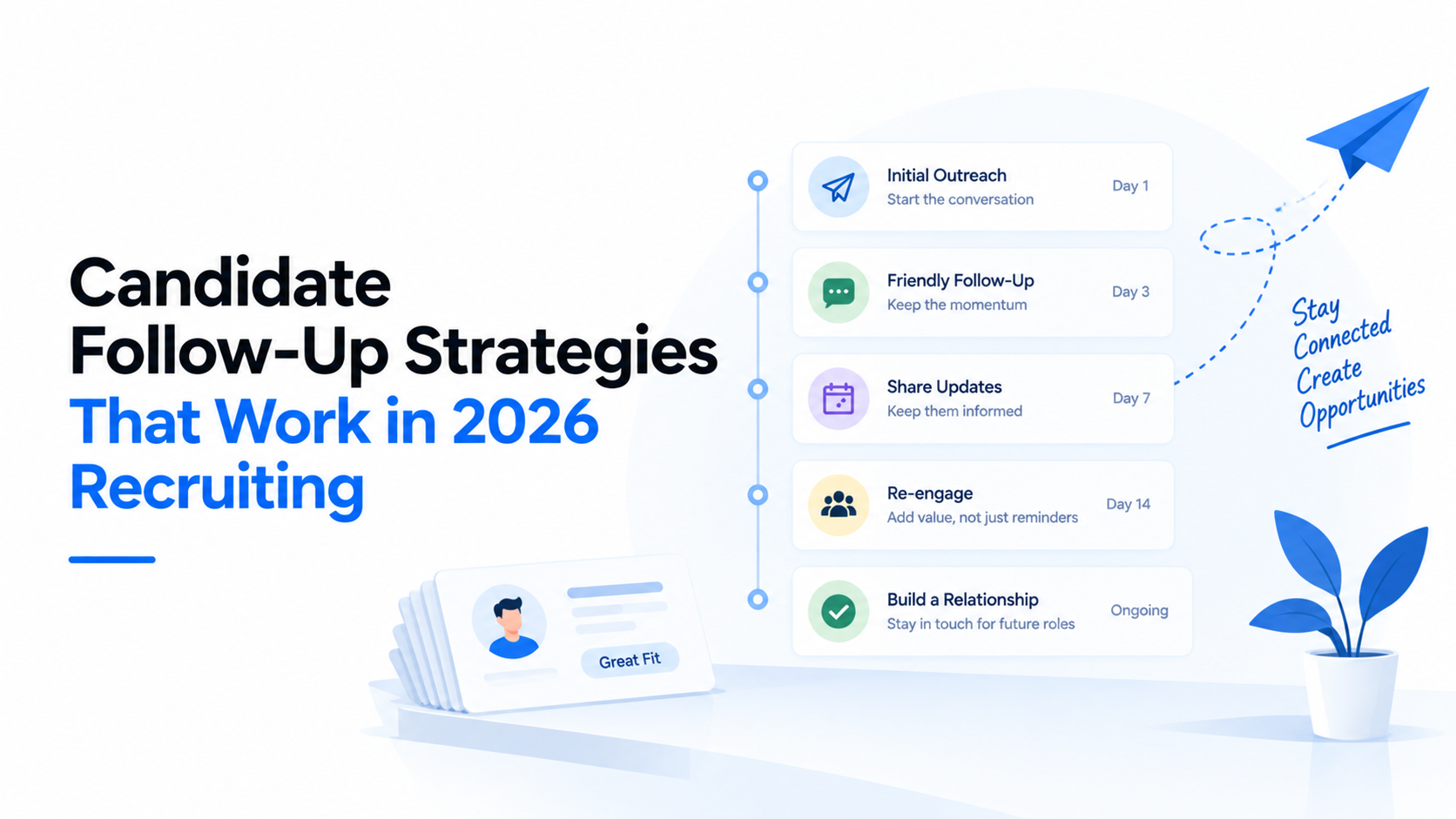
Jamal Washington had been a senior recruiter at a Series C healthcare company for three years when he analyzed the data on his lost candidates. The pattern surprised him. Forty-two percent of the candidates who had declined his offers had not declined because of compensation. They had not declined because of competing offers. They had not declined because of the role. They had declined because they had lost engagement with the process during the three weeks between the final interview and the offer, and the loss of engagement was what the candidate had what was perceiving as the company's lack of interest and that the perception was what the candidate had what was using to decide to decline and that the declining was what the team was what was losing the candidate to. The candidate had not been lost at the offer stage. The candidate had been lost at the follow-up stage, and the loss was what the follow-up was what the team was what was not doing and that the not doing was what the candidate was what was perceiving as the lack of interest and that the perception was what the declining was what the team was what was losing the candidate to. Jamal rebuilt his follow-up process from the ground up, and his offer acceptance rate went from sixty-two percent to eighty-four percent in two quarters. Here are the seven strategies he used.
Why Candidate Follow-Up Is Where Most Hires Are Lost
Candidate follow-up is the phase where most hires are lost because the follow-up is the phase where the candidate's engagement is what is most vulnerable and that the vulnerability is what the candidate is what is perceiving as the company's lack of interest and that the perception is what the candidate is what is using to decide to decline and that the declining is what the team is what is losing the candidate to. The follow-up is the communication that the recruiter is what is sending to the candidate between the phases of the process, and the communication is what the candidate is what is perceiving as the company's interest and that the perception is what the engagement is what the follow-up is what enables the team to maintain and that the maintaining is what the team was trying to do.
The reason follow-up matters more in 2026 than in previous years is that the candidate's attention is more fragmented than ever, because the candidate is what is interviewing with multiple companies and that the interviewing is what the candidate is what is dividing their attention across and that the division is what the follow-up is what enables the team to recover and that the recovery is what the team was trying to do. According to McKinsey research on talent operations, the candidates who receive consistent follow-up are forty-five percent more likely to accept the offer, because the follow-up is what produces the engagement that the acceptance is what the follow-up is what enables the team to maintain and that the maintaining is what the team was trying to do. The follow-up is not a courtesy—it is the mechanism that the team is what is using to maintain the candidate's engagement and that the engagement is what the acceptance is what the team was trying to produce and that the follow-up is what enables the team to produce it.
The companies that have built the most effective follow-up practices share a common approach: they treat follow-up as a designed process rather than as an ad-hoc activity, because the designed process is what produces the consistent follow-up that the ad-hoc activity does not produce and that the consistency is what the team was trying to produce and that the designed process is what enables the team to produce it. As our analysis of more tools same hiring problems argues, the teams that have invested in tools without designing the follow-up process have produced the tool stacks that the follow-up is what the recruiter is what is still doing ad-hoc and that the ad-hoc is what the team was trying to avoid and that the designed process is what enables the team to avoid it.
Strategy One: The Twenty-Four-Hour Acknowledgment Rule
The first follow-up strategy is the twenty-four-hour acknowledgment rule, because the acknowledgment is what the candidate is what is expecting and that the expecting is what the candidate is what is losing patience with and that the twenty-four hours is what the rule is what enables the team to provide and that the providing is what the team was trying to do. The acknowledgment is the message that the recruiter is what is sending to the candidate after the candidate is what is applying or interviewing and that the sending is what the candidate is what is perceiving as the company's interest and that the perception is what the engagement is what the acknowledgment is what enables the team to maintain and that the maintaining is what the team was trying to do.
The first acknowledgment principle is to send the acknowledgment within twenty-four hours of the candidate's application or interview, because the twenty-four hours is what the candidate is what is expecting and that the expecting is what the candidate is what is losing patience with and that the twenty-four hours is what the rule is what enables the team to provide. According to SHRM research on candidate communication, the candidates who receive an acknowledgment within twenty-four hours are sixty percent more likely to remain engaged with the process, because the acknowledgment is what produces the engagement that the twenty-four hours is what the rule is what enables the team to maintain and that the maintaining is what the team was trying to do.
The second acknowledgment principle is to make the acknowledgment informative rather than generic, because the generic acknowledgment is what the candidate is what is ignoring and that the ignoring is what the candidate is what is disengaging with and that the disengaging is what the team was trying to avoid and that the informative acknowledgment is what enables the team to avoid it. As our guide on how to evaluate an AI sourcing tool explains, the acknowledgments that produce the most engagement are those that provide the specific information that the candidate is what is asking for, because the specific information is what produces the engagement that the generic acknowledgment does not produce and that the engagement is what the team was trying to produce and that the informative acknowledgment is what enables the team to produce it.
Strategy Two: The Weekly Touchpoint Throughout the Process
The second follow-up strategy is the weekly touchpoint throughout the process, because the weekly touchpoint is what the candidate is what is perceiving as the company's continued interest and that the perception is what the engagement is what the touchpoint is what enables the team to maintain and that the maintaining is what the team was trying to do. The weekly touchpoint is the message that the recruiter is what is sending to the candidate every week during the process and that the sending is what the candidate is what is perceiving as the company's interest and that the perception is what the engagement is what the touchpoint is what enables the team to maintain and that the maintaining is what the team was trying to do.
The first weekly touchpoint principle is to send the touchpoint every week regardless of whether there is news, because the news is what the candidate is what is asking for and that the asking is what the candidate is what is losing patience with and that the weekly touchpoint is what enables the team to provide the communication that the candidate is what is expecting. According to LinkedIn talent research on candidate engagement, the candidates who receive a weekly touchpoint are fifty percent less likely to disengage from the process, because the touchpoint is what produces the engagement that the weekly cadence is what the touchpoint is what enables the team to maintain and that the maintaining is what the team was trying to do.
The second weekly touchpoint principle is to make the touchpoint personal rather than templated, because the personal touchpoint is what the candidate is what is perceiving as the company's genuine interest and that the perception is what the engagement is what the personal touchpoint is what enables the team to maintain and that the maintaining is what the team was trying to do. As our analysis of AI sourcing vs AI recruiting shows, the touchpoints that produce the most engagement are those that are personal to the candidate and that the personal is what produces the engagement that the templated touchpoint does not produce and that the engagement is what the team was trying to produce and that the personal touchpoint is what enables the team to produce it.
Strategy Three: The Status Update Before the Candidate Asks
The third follow-up strategy is the status update before the candidate asks, because the asking is what the candidate is what is doing when the team is what is not providing the update and that the asking is what the candidate is what is losing patience with and that the status update is what enables the team to provide the update before the candidate asks and that the providing is what the team was trying to do. The status update is the message that the recruiter is what is sending to the candidate to inform them of their status in the process and that the sending is what the candidate is what is perceiving as the company's transparency and that the perception is what the engagement is what the status update is what enables the team to maintain and that the maintaining is what the team was trying to do.
The first status update principle is to send the status update before the candidate asks for it, because the asking is what the candidate is what is doing when the team is what is not providing the update and that the asking is what the candidate is what is losing patience with and that the status update is what enables the team to provide the update before the candidate asks. According to Gartner talent acquisition research on candidate experience, the candidates who receive status updates before they ask are forty percent more likely to remain engaged with the process, because the status update is what produces the engagement that the before-asking is what the status update is what enables the team to maintain and that the maintaining is what the team was trying to do.
The second status update principle is to make the status update specific rather than vague, because the vague status update is what the candidate is what is ignoring and that the ignoring is what the candidate is what is disengaging with and that the disengaging is what the team was trying to avoid and that the specific status update is what enables the team to avoid it. As our analysis of the recruiting dashboard every TA team needs explains, the status updates that produce the most engagement are those that provide the specific information that the candidate is what is asking for, because the specific information is what produces the engagement that the vague status update does not produce and that the engagement is what the team was trying to produce and that the specific status update is what enables the team to produce it.
Strategy Four: The Personal Check-In from the Hiring Manager
The fourth follow-up strategy is the personal check-in from the hiring manager, because the hiring manager is what the candidate is what is perceiving as the company's genuine interest and that the perception is what the engagement is what the check-in is what enables the team to maintain and that the maintaining is what the team was trying to do. The personal check-in is the message that the hiring manager is what is sending to the candidate during the process and that the sending is what the candidate is what is perceiving as the company's interest and that the perception is what the engagement is what the check-in is what enables the team to maintain and that the maintaining is what the team was trying to do.
The first personal check-in principle is to have the hiring manager send a personal check-in to the candidate after the first interview, because the hiring manager is what the candidate is what is perceiving as the company's genuine interest and that the perception is what the engagement is what the check-in is what enables the team to maintain. According to Deloitte workforce analytics on candidate engagement, the candidates who receive a personal check-in from the hiring manager are thirty-five percent more likely to accept the offer, because the check-in is what produces the engagement that the hiring manager is what the check-in is what enables the team to maintain and that the maintaining is what the team was trying to do.
The second personal check-in principle is to have the hiring manager send the check-in that is personal to the candidate and that the personal is what the candidate is what is perceiving as the company's genuine interest and that the perception is what the engagement is what the personal check-in is what enables the team to maintain and that the maintaining is what the team was trying to do. As our analysis of agentic AI platforms vs automated ones demonstrates, the check-ins that produce the most engagement are those that are personal to the candidate, because the personal is what produces the engagement that the templated check-in does not produce and that the engagement is what the team was trying to produce and that the personal check-in is what enables the team to produce it.
Strategy Five: The Value-Add Communication Between Rounds
The fifth follow-up strategy is the value-add communication between rounds, because the value-add is what the candidate is what is perceiving as the company's continued interest and that the perception is what the engagement is what the value-add is what enables the team to maintain and that the maintaining is what the team was trying to do. The value-add communication is the message that the recruiter is what is sending to the candidate between the interview rounds and that the sending is what the candidate is what is perceiving as the company's interest and that the perception is what the engagement is what the value-add is what enables the team to maintain and that the maintaining is what the team was trying to do.
The first value-add communication principle is to send the value-add communication between the interview rounds, because the between-rounds is the time that the candidate is what is most likely to disengage and that the disengaging is what the team was trying to avoid and that the value-add is what enables the team to avoid it. According to EY research on candidate experience, the candidates who receive value-add communications between rounds are forty-five percent less likely to withdraw from the process, because the value-add is what produces the engagement that the between-rounds is what the value-add is what enables the team to maintain and that the maintaining is what the team was trying to do.
The second value-add communication principle is to make the value-add communication actually valuable to the candidate, because the valuable is what the candidate is what is perceiving as the company's genuine interest and that the perception is what the engagement is what the value-add is what enables the team to maintain and that the maintaining is what the team was trying to do. The value-add communication should include the content that the candidate is what is finding valuable, such as the information about the team or the company or the role, and the content is what the value-add is what enables the team to provide and that the providing is what the team was trying to do.
Strategy Six: The Offer Preview Before the Offer
The sixth follow-up strategy is the offer preview before the offer, because the offer preview is what the candidate is what is perceiving as the company's transparency and that the perception is what the engagement is what the offer preview is what enables the team to maintain and that the maintaining is what the team was trying to do. The offer preview is the message that the recruiter is what is sending to the candidate before the formal offer and that the sending is what the candidate is what is perceiving as the company's transparency and that the perception is what the engagement is what the offer preview is what enables the team to maintain and that the maintaining is what the team was trying to do.
The first offer preview principle is to send the offer preview before the formal offer, because the preview is what the candidate is what is perceiving as the company's transparency and that the perception is what the engagement is what the preview is what enables the team to maintain. According to McKinsey research on offer acceptance, the candidates who receive an offer preview are thirty percent more likely to accept the offer, because the preview is what produces the engagement that the offer preview is what enables the team to maintain and that the maintaining is what the team was trying to do.
The second offer preview principle is to make the offer preview specific to the candidate's priorities, because the specific is what the candidate is what is perceiving as the company's genuine interest and that the perception is what the engagement is what the offer preview is what enables the team to maintain and that the maintaining is what the team was trying to do. As our analysis of more tools same hiring problems shows, the offer previews that produce the most engagement are those that are specific to the candidate's priorities, because the specific is what produces the engagement that the generic preview does not produce and that the engagement is what the team was trying to produce and that the specific offer preview is what enables the team to produce it.
Strategy Seven: The Post-Decline Follow-Up That Keeps the Door Open
The seventh follow-up strategy is the post-decline follow-up that keeps the door open, because the post-decline is what the candidate is what is perceiving as the company's continued interest and that the perception is what the relationship is what the post-decline is what enables the team to maintain and that the maintaining is what the team was trying to do. The post-decline follow-up is the message that the recruiter is what is sending to the candidate after the candidate has declined the offer and that the sending is what the candidate is what is perceiving as the company's interest and that the perception is what the relationship is what the post-decline is what enables the team to maintain and that the maintaining is what the team was trying to do.
The first post-decline principle is to send the post-decline follow-up within a week of the decline, because the week is what the candidate is what is perceiving as the company's continued interest and that the perception is what the relationship is what the post-decline is what enables the team to maintain. According to LinkedIn talent research on candidate relationships, the candidates who receive a post-decline follow-up are forty percent more likely to consider the company again in the future, because the post-decline is what produces the relationship that the follow-up is what enables the team to maintain and that the maintaining is what the team was trying to do.
The second post-decline principle is to make the post-decline follow-up genuine rather than perfunctory, because the genuine is what the candidate is what is perceiving as the company's continued interest and that the perception is what the relationship is what the post-decline is what enables the team to maintain and that the maintaining is what the team was trying to do. As our analysis of AI sourcing vs AI recruiting demonstrates, the post-decline follow-ups that produce the most relationship are those that are genuine, because the genuine is what produces the relationship that the perfunctory follow-up does not produce and that the relationship is what the team was trying to produce and that the genuine post-decline is what enables the team to produce it. Candidate follow-up strategies that work are not a set of techniques that the recruiter is what is using—they are a discipline that the team is what is practicing, and the practicing is what produces the engagement that the strategies are what enable the team to maintain and that the engagement is what the team was trying to produce and that the discipline is what enables the team to produce it.