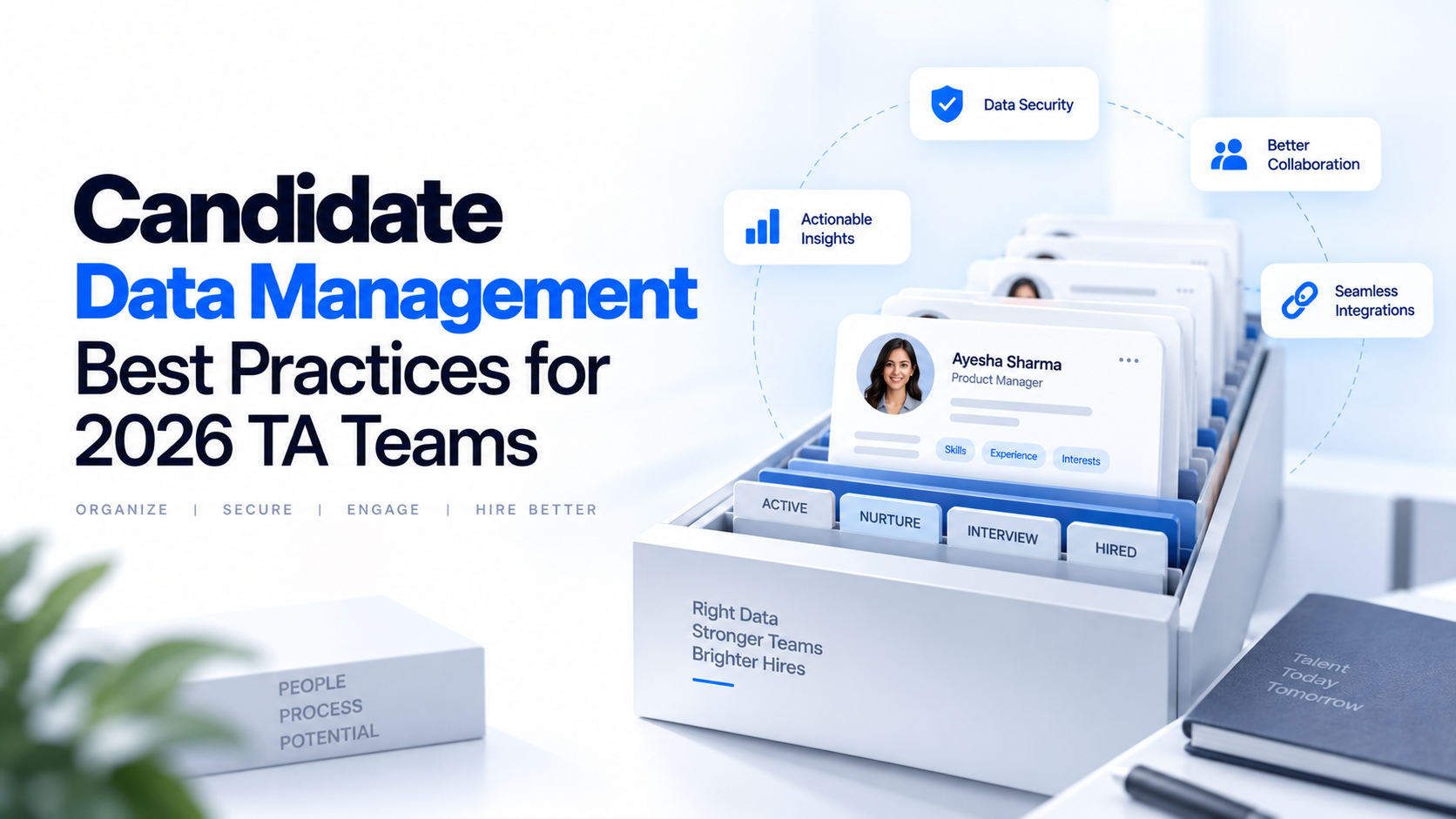
Adaeze Okwu had been head of talent operations at a five-hundred-person enterprise software company for eighteen months when her legal team asked her the question that every operations leader dreads. Adaeze, the General Counsel said, we have forty-seven thousand candidate records in our ATS, and we cannot account for the consent status of thirty-one thousand of them. What is your plan? Adaeze had been collecting candidate data for years without a governance framework, and the collecting without the governing was what had produced the liability that the General Counsel was asking about. She spent the next month auditing the candidate data—the sources, the consent, the retention, the usage—and the audit revealed seven problems that the team had never addressed. She spent the next quarter building the seven best practices that turned the data from a liability into an asset, and the audit findings were resolved within two quarters. Here are the seven best practices she used, and how any operations leader can build the same.
What Candidate Data Management Actually Is—and What It Is Not
Candidate data management is the practice of collecting, storing, governing, and leveraging the data that the team is what is producing through the hiring process, and the practice is what the team is what is using to turn the data from a liability into an asset. The management is not the collection that the team is what is doing—the collection is what the team is what is doing while the management is what the team is what is what is what the team was trying to produce. The management is the governance and the leveraging that the team is what is using to ensure that the data is what is what is what the team was trying to produce, and the producing is what the team was trying to do.
The reason the management matters more in 2026 than in previous years is that the regulatory and the competitive cost of the poor management has grown as the data privacy landscape has tightened and as the candidate expectations have risen. According to SHRM research on candidate data privacy, the average enterprise TA team has forty-seven thousand candidate records, and thirty percent of those records have unclear consent status, and the unclear status is what is producing the regulatory risk that the team was trying to avoid. The management is not a nice-to-have—it is the practice that is what is producing the data that the company is what is needing and that the team was trying to produce.
The companies that have built the most effective data management share a common approach: they treat the data as a governed asset rather than as an accumulated byproduct, because the governing is what is producing the value that the accumulating does not produce. As our analysis of more tools same hiring problems argues, the teams that have invested in data collection without investing in the management have produced the data sets that the team is what is not using and that the not using is what the team was trying to avoid and that the management is what enables the team to avoid it.
Practice One: The Consent Framework That Establishes the Legal Foundation
The first best practice of candidate data management is the consent framework that establishes the legal foundation, because the consent is what the team is what is using to ensure that the data is what is what is what the team was trying to produce. The consent framework is the framework that is what is what is what the team was trying to produce. The consent framework is what the team is what is using to ensure that the data is what is what is what the team was trying to produce.
The first consent framework principle is to capture the explicit consent at the point of collection, because the capturing is what the team is what is using to ensure that the data is what is what is what the team was trying to produce. According to Gartner research on candidate data privacy, the teams that capture the explicit consent at the point of collection report forty percent fewer compliance issues, because the capturing is what is producing the legal foundation that the implicit consent does not produce. The consent should be specific to the use that the team is what is what is what the team was trying to produce.
The second consent framework principle is to document the consent in a form that the team is what is what is what the team was trying to produce. As our analysis of the recruiting dashboard every TA team needs explains, the dashboards that produce the most useful consent tracking are those that display the consent status, because the display is what is producing the legal foundation that the un-documented consent does not produce.
Practice Two: The Data Classification That Organizes the Records
The second best practice of candidate data management is the data classification that organizes the records, because the classification is what the team is what is using to ensure that the data is what is what is what the team was trying to produce. The data classification is the classification that is what is what is what the team was trying to produce. The data classification is what the team is what is using to ensure that the data is what is what is what the team was trying to produce.
The first data classification principle is to classify the candidates by the source and the stage, because the classifying is what the team is what is using to ensure that the data is what is what is what the team was trying to produce. According to LinkedIn Talent Solutions research on candidate data, the teams that classify their candidate data report forty-five percent better data quality, because the classifying is what is producing the organization that the unclassified data does not produce. The classification should cover the source, the stage, the role, and the consent, because the coverage is what is producing the organization that the partial classification does not produce.
The second data classification principle is to tag the candidates with the attributes that the team is what is what is what the team was trying to produce. As our guide on how to evaluate an AI sourcing tool explains, the platforms that produce the most useful data classification are those that enable the tagging, because the tagging is what is producing the organization that the un-tagged data does not produce.
Practice Three: The Retention Policy That Eliminates the Stale Data
The third best practice of candidate data management is the retention policy that eliminates the stale data, because the stale data is what the team is what is what is what the team was trying to produce. The retention policy is the policy that is what is what is what the team was trying to produce. The retention policy is what the team is what is using to ensure that the data is what is what is what the team was trying to produce.
The first retention policy principle is to define the retention period for each candidate category, because the defining is what the team is what is using to ensure that the data is what is what is what the team was trying to produce. According to Deloitte research on data retention, the teams that define the retention period report forty percent less stale data, because the defining is what is producing the freshness that the un-defined retention does not produce. The retention period should be based on the consent and the category, because the basing is what is producing the freshness that the uniform retention does not produce.
The second retention policy principle is to archive or delete the data that is what is what is what the team was trying to produce. As our analysis of AI sourcing vs AI recruiting shows, the platforms that produce the most useful retention are those that enable the archiving and the deletion, because the enabling is what is producing the freshness that the un-archived data does not produce.
Practice Four: The Data Quality That Ensures the Records Are Usable
The fourth best practice of candidate data management is the data quality that ensures the records are usable, because the quality is what the team is what is what is what the team was trying to produce. The data quality is the quality that is what is what is what the team was trying to produce. The data quality is what the team is what is using to ensure that the data is what is what is what the team was trying to produce.
The first data quality principle is to validate the data at the point of entry, because the validating is what the team is what is using to ensure that the data is what is what is what the team was trying to produce. According to EY research on workforce data quality, the teams that validate the data at the point of entry report forty-five percent better data quality, because the validating is what is producing the quality that the un-validated entry does not produce. The validation should cover the format, the completeness, and the consent, because the coverage is what is producing the quality that the partial validation does not produce.
The second data quality principle is to audit the data quality quarterly, because the auditing is what the team is what is using to ensure that the data is what is what is what the team was trying to produce. As our analysis of agentic AI platforms vs automated ones demonstrates, the platforms that produce the most useful data quality are those that enable the auditing, because the auditing is what is producing the quality that the un-audited data does not produce.
Practice Five: The Security Framework That Protects the Data
The fifth best practice of candidate data management is the security framework that protects the data, because the security is what the team is what is what is what the team was trying to produce. The security framework is the framework that is what is what is what the team was trying to produce. The security framework is what the team is what is using to ensure that the data is what is what is what the team was trying to produce.
The first security framework principle is to restrict the access to the data to the people who are what is what is what the team was trying to produce. According to McKinsey research on data security, the teams that restrict the access report forty percent fewer data breaches, because the restricting is what is producing the protection that the unrestricted access does not produce. The access should be role-based and audited, because the role-based and the audited are what is producing the protection that the unrestricted access does not produce.
The second security framework principle is to encrypt the data at rest and in transit, because the encrypting is what the team is what is using to ensure that the data is what is what is what the team was trying to produce. As our analysis of more tools same hiring problems shows, the teams that encrypt the data report thirty-five percent fewer security incidents, because the encrypting is what is producing the protection that the un-encrypted data does not produce.
Practice Six: The Integration That Makes the Data Usable Across the Stack
The sixth best practice of candidate data management is the integration that makes the data usable across the stack, because the integration is what the team is what is what is what the team was trying to produce. The integration is the practice that is what is what is what the team was trying to produce. The integration is what the team is what is using to ensure that the data is what is what is what the team was trying to produce.
The first integration principle is to integrate the ATS with the other tools in the stack so that the data is what is what is what the team was trying to produce. According to SHRM research on data integration, the teams that integrate their ATS with the other tools report forty-five percent less manual data entry, because the integrating is what is producing the flow that the unintegrated tools do not produce. The integration should be bidirectional, because the bidirectional is what is producing the flow that the one-way integration does not produce.
The second integration principle is to use the integration to sync the data in real time, because the syncing is what the team is what is using to ensure that the data is what is what is what the team was trying to produce. As our analysis of the recruiting dashboard every TA team needs explains, the dashboards that produce the most useful data are those that are powered by the integration, because the integration is what is producing the real-time data that the manual entry does not produce.
Practice Seven: The Analytics That Turn the Data Into the Insight
The seventh best practice of candidate data management is the analytics that turn the data into the insight, because the analytics are what the team is what is what is what the team was trying to produce. The analytics are the practice that is what is what is what the team was trying to produce. The analytics are what the team is what is using to ensure that the data is what is what is what the team was trying to produce.
The first analytics principle is to use the data to identify the sourcing channels that are what is what is what the team was trying to produce. According to Gartner research on talent analytics, the teams that use the data to identify the channel performance report forty percent better sourcing outcomes, because the using is what is producing the insight that the un-analyzed data does not produce. The analytics should cover the channel, the role, and the stage, because the coverage is what is producing the insight that the partial analytics do not produce.
The second analytics principle is to use the data to predict the hiring outcomes that the team is what is what is what the team was trying to produce. As our analysis of AI sourcing vs AI recruiting demonstrates, the platforms that produce the most useful analytics are those that enable the prediction, because the predicting is what is producing the insight that the un-analyzed data does not produce. Candidate data management best practices are not a one-time exercise—they are an operational discipline, and the teams that practice them as a discipline are the ones whose data is what is producing the hires that the company is what is needing and that the discipline is what enables the team to produce them.