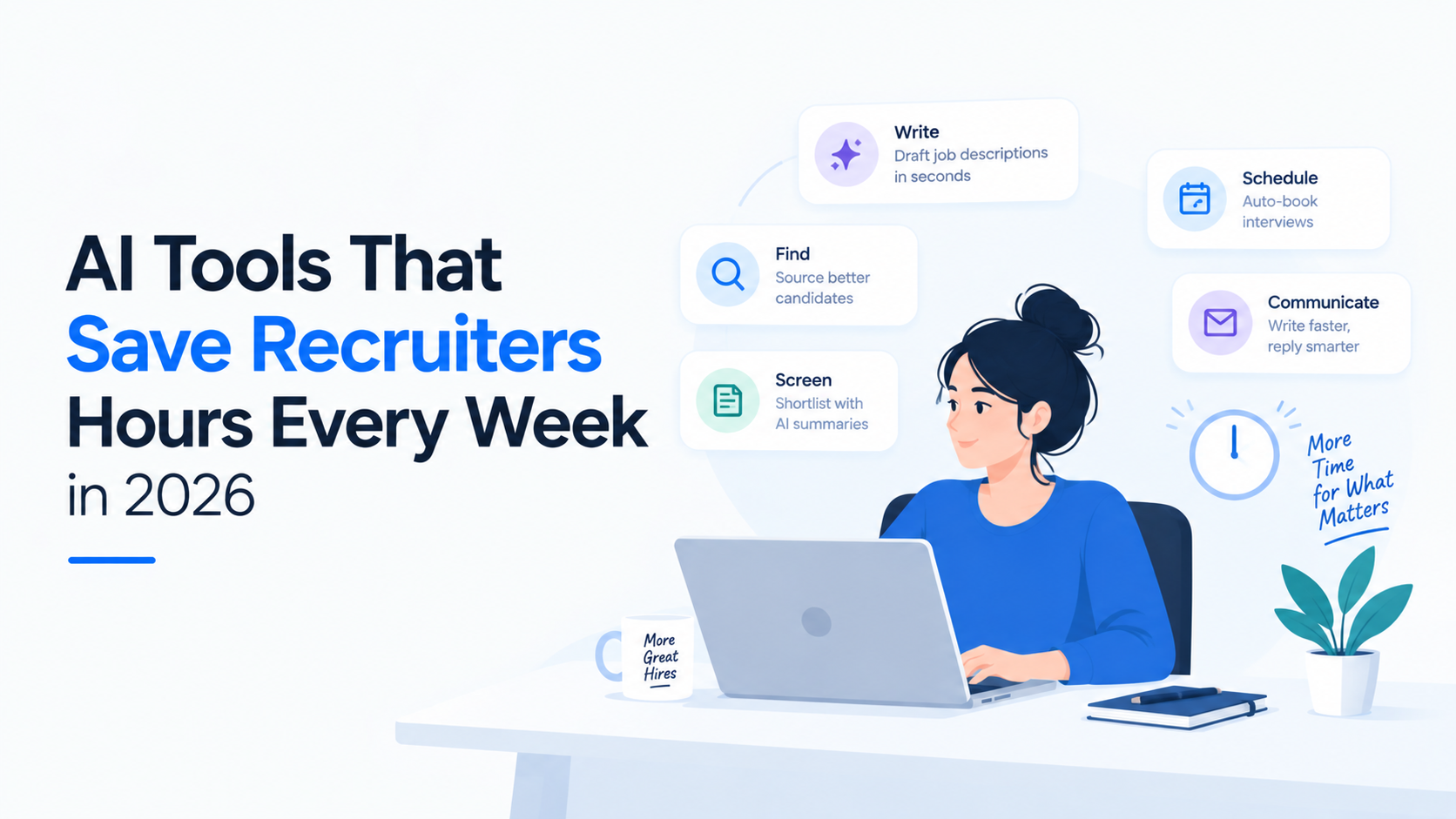
Yuki Tanaka had been a senior technical recruiter at a six-hundred-person AI infrastructure company for three years when she was asked to participate in a panel about AI tools for recruiters. The moderator asked the panel which AI tools they used, and Yuki's answer made the room go quiet. I use two, she said. I have tried eleven. Yuki had been an early adopter of every AI tool that the TA market had produced in the last three years, and she had become an inadvertent expert on which tools produced value and which produced noise. The two tools she used daily saved her an estimated twelve hours per week—time that she redirected to the candidate conversations and the hiring manager partnerships that the tools could not handle. The eleven tools she had tried and abandoned had each promised similar savings and had each produced instead new categories of work: the prompts to write, the outputs to verify, the integrations to maintain, the dashboards to monitor. The eleven tools had collectively cost her more time than they had saved, and the two tools that worked had done so because they solved a specific problem without creating new problems. Yuki had developed a framework for evaluating which tools would save time and which would consume it, and the framework had made her one of the most productive recruiters on her team. Here is the framework she used, and the seven categories of AI tools that genuinely save recruiters hours every week.
Why Most AI Recruiting Tools Fail to Save Time—and the Few That Do
Most AI recruiting tools fail to save time because they are designed to add capability rather than to remove work, and the added capability is what produces the new work that the recruiter is what is doing and that the new work is what the tool is what is producing and that the production is what the tool is what is costing the recruiter the time that the tool was supposed to save. The tool that adds the capability to generate personalized outreach at scale is the tool that also produces the work of writing the prompts and verifying the outputs and managing the send cadence, and the work is what the tool is what is producing and that the production is what the tool is what is costing the recruiter the time. The tools that save time are the tools that remove work rather than add capability, and the removal is what produces the time savings that the addition does not produce.
The distinction matters because the market for AI recruiting tools has grown faster than the evaluation capacity of the TA teams that the tools are marketed to, and the gap between the market growth and the evaluation capacity is what produces the tool stacks that the recruiters are what is using and that the using is what the recruiters are what is spending the time on and that the tools are what the recruiters are what is abandoning and that the abandonment is what the team was trying to avoid. According to McKinsey research on talent operations, the average TA team uses three of the eight AI tools it has purchased, and the five unused tools have collectively cost the team forty thousand dollars per year in spend that the team is what is not recovering and that the recovery is what the team was trying to do and that the evaluation is what enables the team to do it.
The tools that save time share a common property: they handle a specific task that the recruiter was doing manually and that the handling is what the tool is what is producing and that the production is what the tool is what is removing the work that the recruiter was doing and that the removal is what the time savings is what the tool is what enables the team to produce. As our analysis of more tools same hiring problems argues, the teams that have built the most effective AI tool stacks are those that have evaluated the tools against the specific tasks that the tools are what is removing and that the removal is what the time savings is what the team is what is producing and that the evaluation is what the team was trying to do and that the task-based evaluation is what enables the team to do it.
Category One: AI Sourcing Tools That Find Candidates the Recruiter Cannot
The first category of AI tools that save recruiters hours every week is the AI sourcing tools that find candidates that the recruiter cannot find through the manual channels that the recruiter is what is using and that the using is what the recruiter is what is spending the time on and that the AI sourcing is what enables the team to find the candidates that the manual channels do not produce. The AI sourcing tool is the tool that searches the candidate databases that the recruiter does not have access to and that the searching is what the tool is what is doing and that the doing is what the recruiter is what is not doing and that the not doing is what the time savings is what the tool is what enables the team to produce.
The first AI sourcing principle is to use the AI sourcing tool to find candidates that the manual sourcing does not produce, because the manual sourcing is what the recruiter is what is spending the time on and that the spending is what the time savings is what the tool is what enables the team to eliminate. According to LinkedIn talent research on sourcing effectiveness, the recruiters who use AI sourcing tools report thirty-five percent more qualified candidates per week, because the AI sourcing is what produces the candidates that the manual sourcing does not produce and that the production is what the time savings is what the tool is what enables the team to produce and that the team was trying to produce and that the AI sourcing is what enables the team to produce it.
The second AI sourcing principle is to use the AI sourcing tool to engage the candidates that the tool is what is finding, because the engagement is what the recruiter is what is spending the time on and that the spending is what the time savings is what the tool is what enables the team to eliminate. As our guide on how to evaluate an AI sourcing tool explains, the AI sourcing tools that produce the most time savings are those that find and engage the candidates, because the engagement is what the recruiter is what is spending the time on and that the spending is what the time savings is what the tool is what enables the team to eliminate and that the elimination is what the team was trying to do and that the AI sourcing is what enables the team to do it.
Category Two: AI Screening Tools That Evaluate Every Application
The second category of AI tools that save recruiters hours every week is the AI screening tools that evaluate every application, because the evaluation of every application is what the recruiter is what is spending the time on and that the spending is what the time savings is what the tool is what enables the team to eliminate. The AI screening tool is the tool that evaluates every application against the job requirements and that the evaluation is what the tool is what is doing and that the doing is what the recruiter is what is not doing and that the not doing is what the time savings is what the tool is what enables the team to produce. The AI screening tool is the tool that produces the time savings that the manual screening does not produce, because the manual screening is what the recruiter is what is spending the time on and that the spending is what the time savings is what the tool is what enables the team to eliminate.
The first AI screening principle is to use the AI screening tool to evaluate the applications that the recruiter is what is not able to evaluate carefully and that the not evaluating is what the recruiter is what is spending the time on and that the spending is what the time savings is what the tool is what enables the team to eliminate. According to Gartner talent acquisition research on screening, the recruiters who use AI screening tools report sixty percent less time on screening, because the AI screening is what produces the evaluation that the manual screening does not produce and that the production is what the time savings is what the tool is what enables the team to produce and that the team was trying to produce and that the AI screening is what enables the team to produce it.
The second AI screening principle is to use the AI screening tool to rank the candidates and to surface the top candidates for the human review, because the ranking is what the tool is what is doing and that the doing is what the recruiter is what is using to focus the time and that the focusing is what the time savings is what the tool is what enables the team to produce. As our analysis of AI sourcing vs AI recruiting shows, the AI screening tools that produce the most time savings are those that rank the candidates and surface the top candidates for the human review, because the ranking is what produces the focus that the time savings is what the tool is what enables the team to produce and that the team was trying to produce and that the AI screening is what enables the team to produce it.
Category Three: AI Scheduling Tools That Eliminate the Calendar Negotiation
The third category of AI tools that save recruiters hours every week is the AI scheduling tools that eliminate the calendar negotiation, because the calendar negotiation is what the recruiter is what is spending the time on and that the spending is what the time savings is what the tool is what enables the team to eliminate. The calendar negotiation is the back-and-forth between the recruiter and the hiring manager and the candidate and the interview panel, and the back-and-forth is what the recruiter is what is spending the time on and that the spending is what the time savings is what the tool is what enables the team to eliminate. The AI scheduling tool is the tool that automates the calendar negotiation and that the automation is what produces the time savings that the manual negotiation does not produce.
The first AI scheduling principle is to use the AI scheduling tool to coordinate the interview schedules across the candidate and the hiring manager and the interview panel, because the coordination is what the recruiter is what is spending the time on and that the spending is what the time savings is what the tool is what enables the team to eliminate. According to SHRM research on interview scheduling, the recruiters who use AI scheduling tools report forty-five percent less time on scheduling, because the AI scheduling is what produces the coordination that the manual scheduling does not produce and that the production is what the time savings is what the tool is what enables the team to produce and that the team was trying to produce and that the AI scheduling is what enables the team to produce it.
The second AI scheduling principle is to use the AI scheduling tool to send the reminders and the confirmations that the manual scheduling is what the recruiter is what is spending the time on and that the spending is what the time savings is what the tool is what enables the team to eliminate. As our analysis of agentic AI platforms vs automated ones demonstrates, the AI scheduling tools that produce the most time savings are those that automate the reminders and the confirmations, because the automation is what produces the time savings that the manual reminders and the confirmations do not produce and that the time savings is what the team was trying to produce and that the AI scheduling is what enables the team to produce it.
Category Four: AI Communication Tools That Draft the Personalized Outreach
The fourth category of AI tools that save recruiters hours every week is the AI communication tools that draft the personalized outreach, because the personalized outreach is what the recruiter is what is spending the time on and that the spending is what the time savings is what the tool is what enables the team to eliminate. The personalized outreach is the messages that the recruiter is what is sending to the candidates and that the sending is what the recruiter is what is spending the time on and that the spending is what the time savings is what the tool is what enables the team to eliminate. The AI communication tool is the tool that drafts the personalized outreach and that the drafting is what produces the time savings that the manual drafting does not produce.
The first AI communication principle is to use the AI communication tool to draft the personalized outreach that the recruiter is what is sending to the candidates and that the sending is what the recruiter is what is spending the time on and that the spending is what the time savings is what the tool is what enables the team to eliminate. According to Deloitte workforce analytics on recruiter productivity, the recruiters who use AI communication tools report forty percent less time on candidate outreach, because the AI communication is what produces the drafts that the manual drafting does not produce and that the production is what the time savings is what the tool is what enables the team to produce and that the team was trying to produce and that the AI communication is what enables the team to produce it.
The second AI communication principle is to use the AI communication tool to draft the personalized responses that the recruiter is what is sending to the candidates who are what is responding and that the responding is what the recruiter is what is spending the time on and that the spending is what the time savings is what the tool is what enables the team to eliminate. As our analysis of the recruiting dashboard every TA team needs explains, the AI communication tools that produce the most time savings are those that draft the personalized responses, because the drafting is what produces the time savings that the manual drafting does not produce and that the time savings is what the team was trying to produce and that the AI communication is what enables the team to produce it.
Category Five: AI Note-Taking Tools That Capture the Interview Without the Typing
The fifth category of AI tools that save recruiters hours every week is the AI note-taking tools that capture the interview without the typing, because the typing is what the recruiter is what is spending the time on and that the spending is what the time savings is what the tool is what enables the team to eliminate. The note-taking is the work that the recruiter is what is doing during the interview and that the doing is what the recruiter is what is spending the time on and that the spending is what the time savings is what the tool is what enables the team to eliminate. The AI note-taking tool is the tool that captures the interview and that the capturing is what produces the time savings that the manual note-taking does not produce.
The first AI note-taking principle is to use the AI note-taking tool to capture the interview so that the recruiter is what is not typing during the interview and that the not typing is what the recruiter is what is spending the time on and that the spending is what the time savings is what the tool is what enables the team to eliminate. According to EY research on interviewer productivity, the recruiters who use AI note-taking tools report fifty percent more engagement during the interviews, because the AI note-taking is what produces the engagement that the manual note-taking does not produce and that the engagement is what the time savings is what the tool is what enables the team to produce and that the team was trying to produce and that the AI note-taking is what enables the team to produce it.
The second AI note-taking principle is to use the AI note-taking tool to produce the structured summary that the recruiter is what is using to evaluate the candidate and that the using is what the recruiter is what is spending the time on and that the spending is what the time savings is what the tool is what enables the team to eliminate. The structured summary is the summary that the AI note-taking tool is what is producing from the interview and that the production is what the recruiter is what is using to evaluate the candidate and that the using is what the time savings is what the tool is what enables the team to produce and that the team was trying to produce and that the AI note-taking is what enables the team to produce it.
Category Six: AI Analytics Tools That Surface the Bottlenecks the Recruiter Cannot See
The sixth category of AI tools that save recruiters hours every week is the AI analytics tools that surface the bottlenecks that the recruiter cannot see, because the bottlenecks are what the recruiter is what is spending the time on and that the spending is what the time savings is what the tool is what enables the team to eliminate. The bottlenecks are the phases of the process that are what is producing the cycle time that the recruiter is what is spending the time on and that the spending is what the time savings is what the tool is what enables the team to eliminate. The AI analytics tool is the tool that surfaces the bottlenecks and that the surfacing is what produces the time savings that the un-surfaced bottlenecks do not produce.
The first AI analytics principle is to use the AI analytics tool to surface the bottlenecks that the recruiter is what is not seeing and that the not seeing is what the recruiter is what is spending the time on and that the spending is what the time savings is what the tool is what enables the team to eliminate. According to McKinsey research on talent operations, the recruiters who use AI analytics tools report thirty-five percent faster identification of the bottlenecks that the cycle time is what is producing and that the identification is what the time savings is what the tool is what enables the team to produce and that the team was trying to produce and that the AI analytics is what enables the team to produce it.
The second AI analytics principle is to use the AI analytics tool to surface the patterns that the recruiter is what is not seeing and that the not seeing is what the recruiter is what is spending the time on and that the spending is what the time savings is what the tool is what enables the team to eliminate. As our analysis of AI sourcing vs AI recruiting shows, the AI analytics tools that produce the most time savings are those that surface the patterns that the manual analytics does not produce and that the surfacing is what the time savings is what the tool is what enables the team to produce and that the team was trying to produce and that the AI analytics is what enables the team to produce it.
Category Seven: AI Onboarding Tools That Hand Off the Hire Without the Manual Work
The seventh category of AI tools that save recruiters hours every week is the AI onboarding tools that hand off the hire without the manual work, because the manual work is what the recruiter is what is spending the time on and that the spending is what the time savings is what the tool is what enables the team to eliminate. The onboarding is the work that the recruiter is what is doing after the offer is accepted and that the doing is what the recruiter is what is spending the time on and that the spending is what the time savings is what the tool is what enables the team to eliminate. The AI onboarding tool is the tool that automates the handoff and that the automation is what produces the time savings that the manual handoff does not produce.
The first AI onboarding principle is to use the AI onboarding tool to automate the handoff from the recruiter to the HR and the hiring manager, because the handoff is what the recruiter is what is spending the time on and that the spending is what the time savings is what the tool is what enables the team to eliminate. According to Gartner talent acquisition research on onboarding, the recruiters who use AI onboarding tools report forty percent less time on the post-offer handoff, because the AI onboarding is what produces the handoff that the manual handoff does not produce and that the production is what the time savings is what the tool is what enables the team to produce and that the team was trying to produce and that the AI onboarding is what enables the team to produce it.
The second AI onboarding principle is to use the AI onboarding tool to send the communications that the manual onboarding is what the recruiter is what is sending and that the sending is what the recruiter is what is spending the time on and that the spending is what the time savings is what the tool is what enables the team to eliminate. As our analysis of more tools same hiring problems demonstrates, the AI onboarding tools that produce the most time savings are those that automate the communications that the manual onboarding is what the recruiter is what is sending, because the automation is what produces the time savings that the manual sending does not produce and that the time savings is what the team was trying to produce and that the AI onboarding is what enables the team to produce it. AI tools that save recruiters hours every week are not a category of tools that the team is what is buying—they are a category of tools that the team is what is evaluating and integrating and using, and the evaluating and the integrating and the using are what the team was trying to do and that the framework is what enables the team to do it.